Forex Education
261 articles
Be Patient. Stay Disciplined.
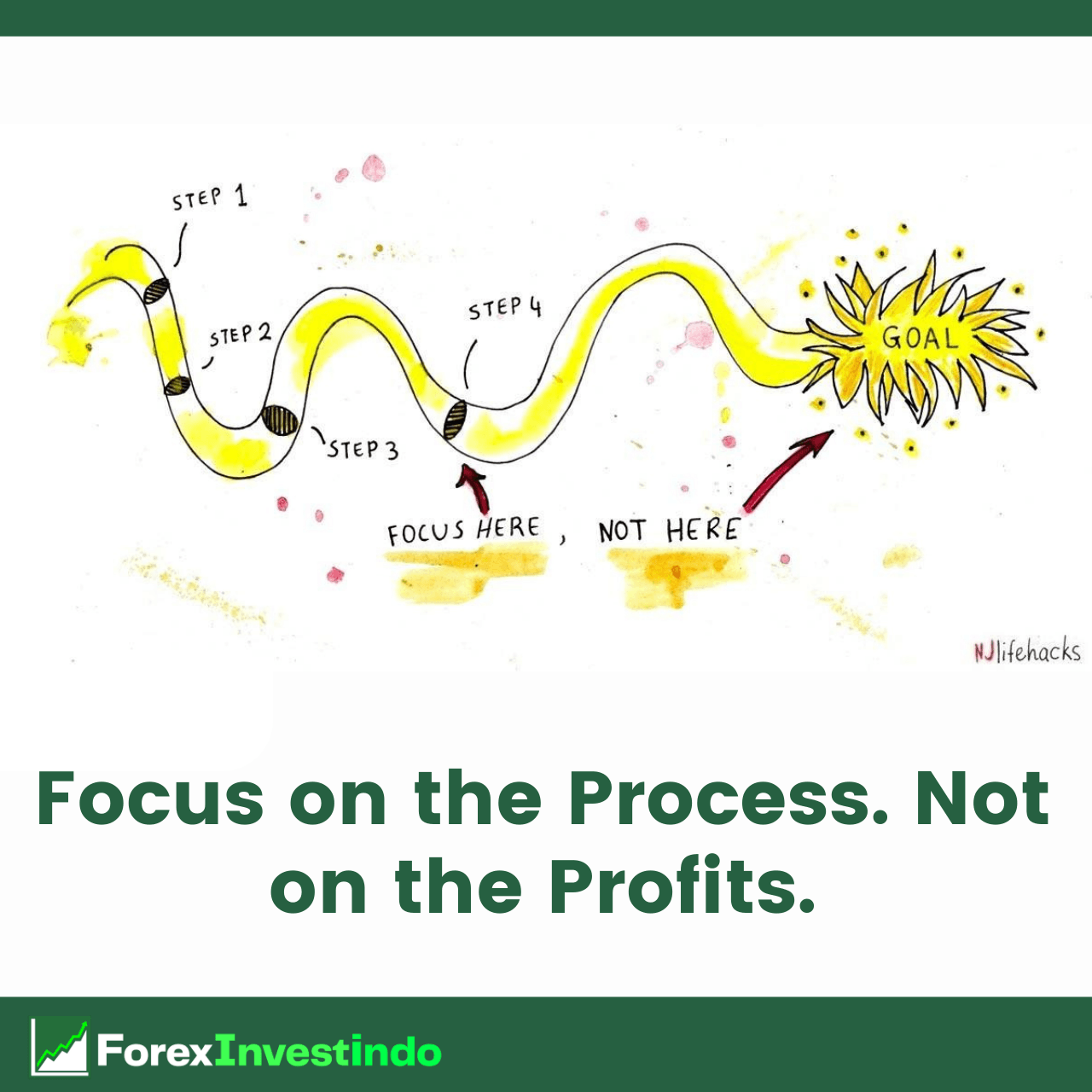
Focus on the Process. Not on the Profits.

Holy Cow! There’s No Holy Grail!

How To Protect Yourself From Forex Scams

Love The Forex Game
Never Make the First Move

Trade Like an FX Dealer
Forex Trading Scams : Forex Signals
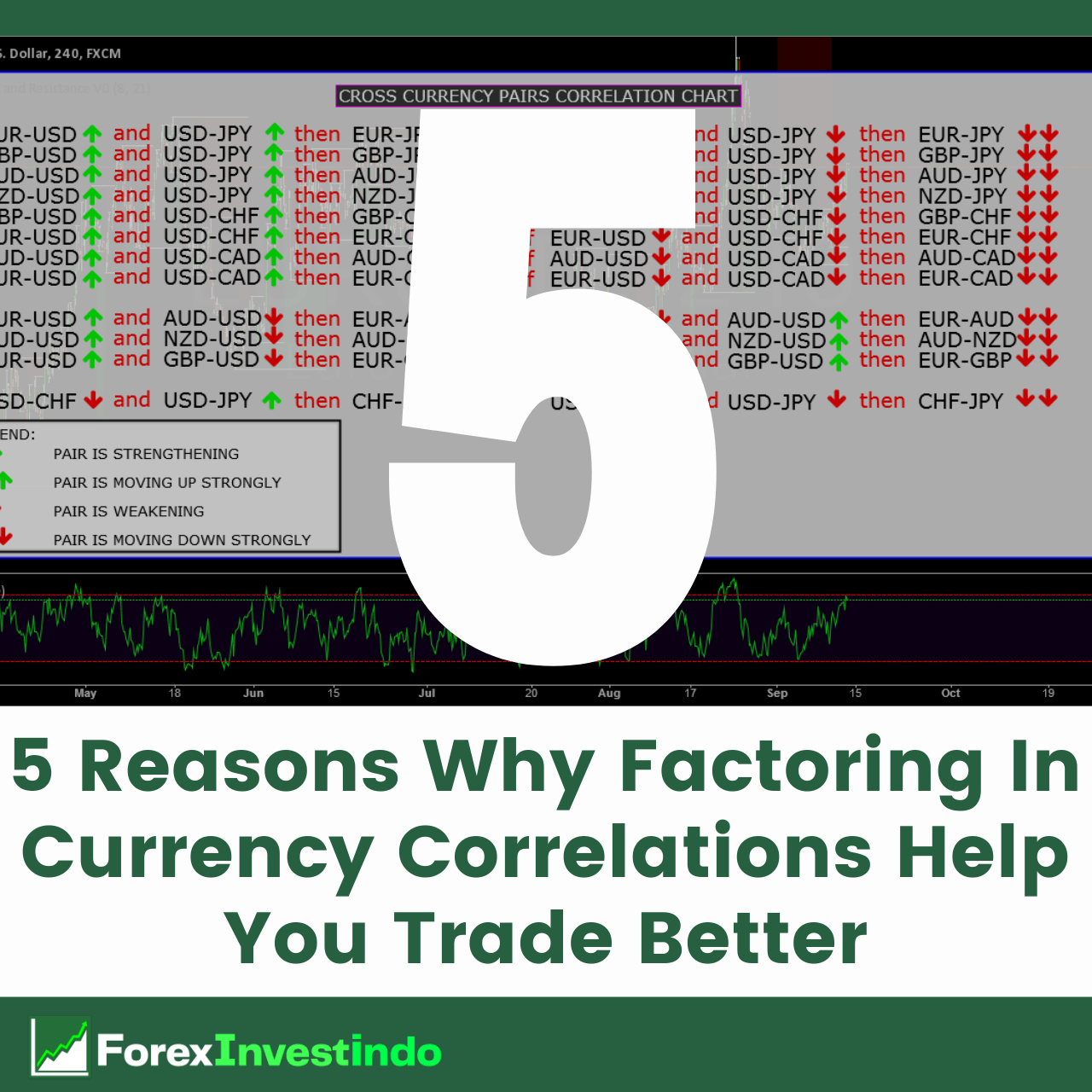
5 Reasons Why Factoring In Currency Correlations Help You Trade Better

Forex Trading Scams : Foreign Regulatory Agencies
Forex Trading Scams : Forex Managed Accounts

Forex Trading Scams : U.S. Regulatory Agencies

The 5 Deadly O’s of Trading: What Traders Do To Guarantee Their Own Failure

Time Is Your Most Important Investment As A Trader

Forex Trading Scams : Forex Broker Scam

Forex Trading Scams : Forex Robots

Forex Trading Scams : Forex Scams
How To Calculate Currency Correlations With Excel
How to Lose All the Money in Your Trading Account in 10 Days (or Less)
Tips for Forex Trading Beginners
What Makes a Good Trader?
Be Careful! Currency Correlations Change!
3 Rules To Follow When Using Stop Loss Orders
Are You Doubling Your Risk Without Knowing It?
Currency Correlation Explain
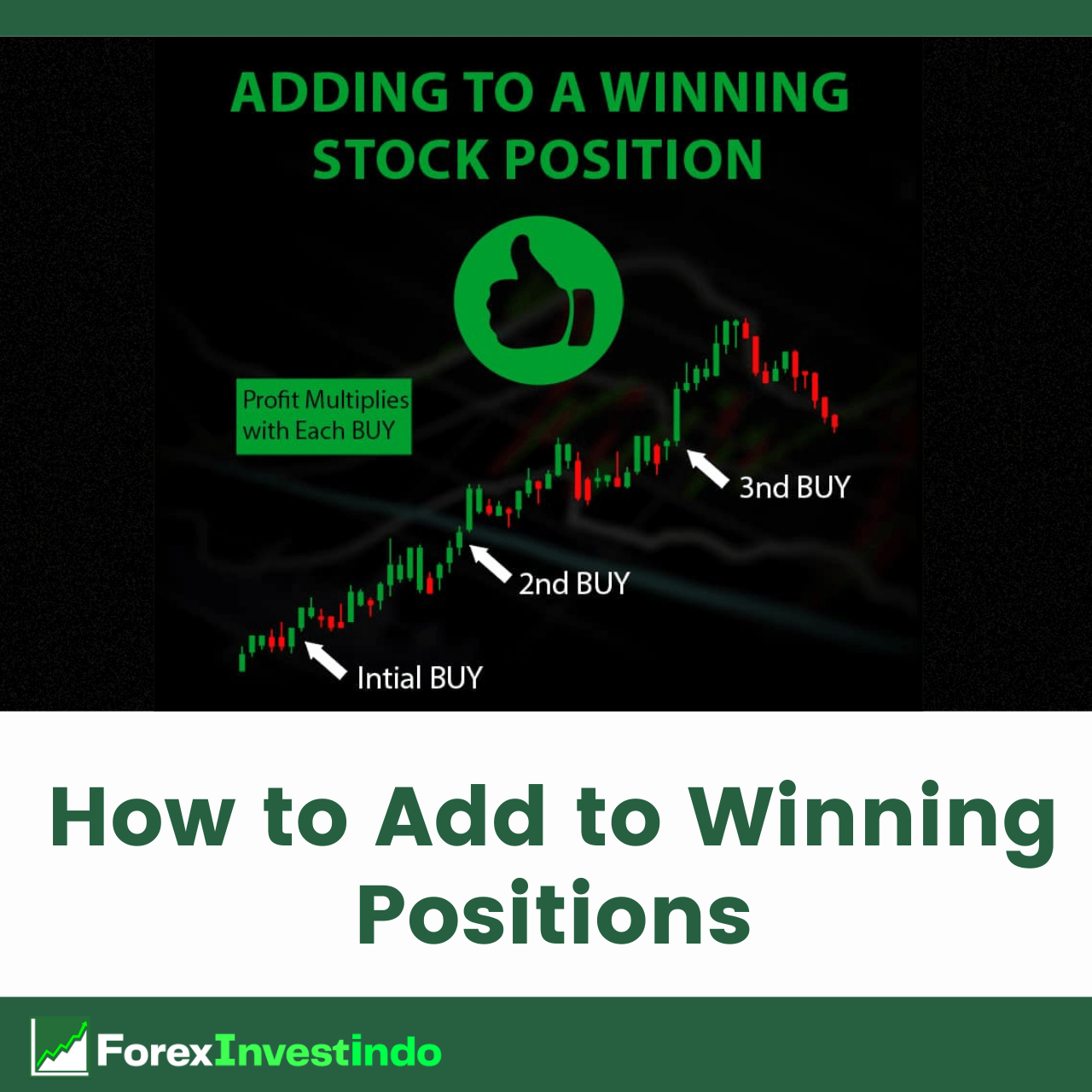
How to Add to Winning Positions
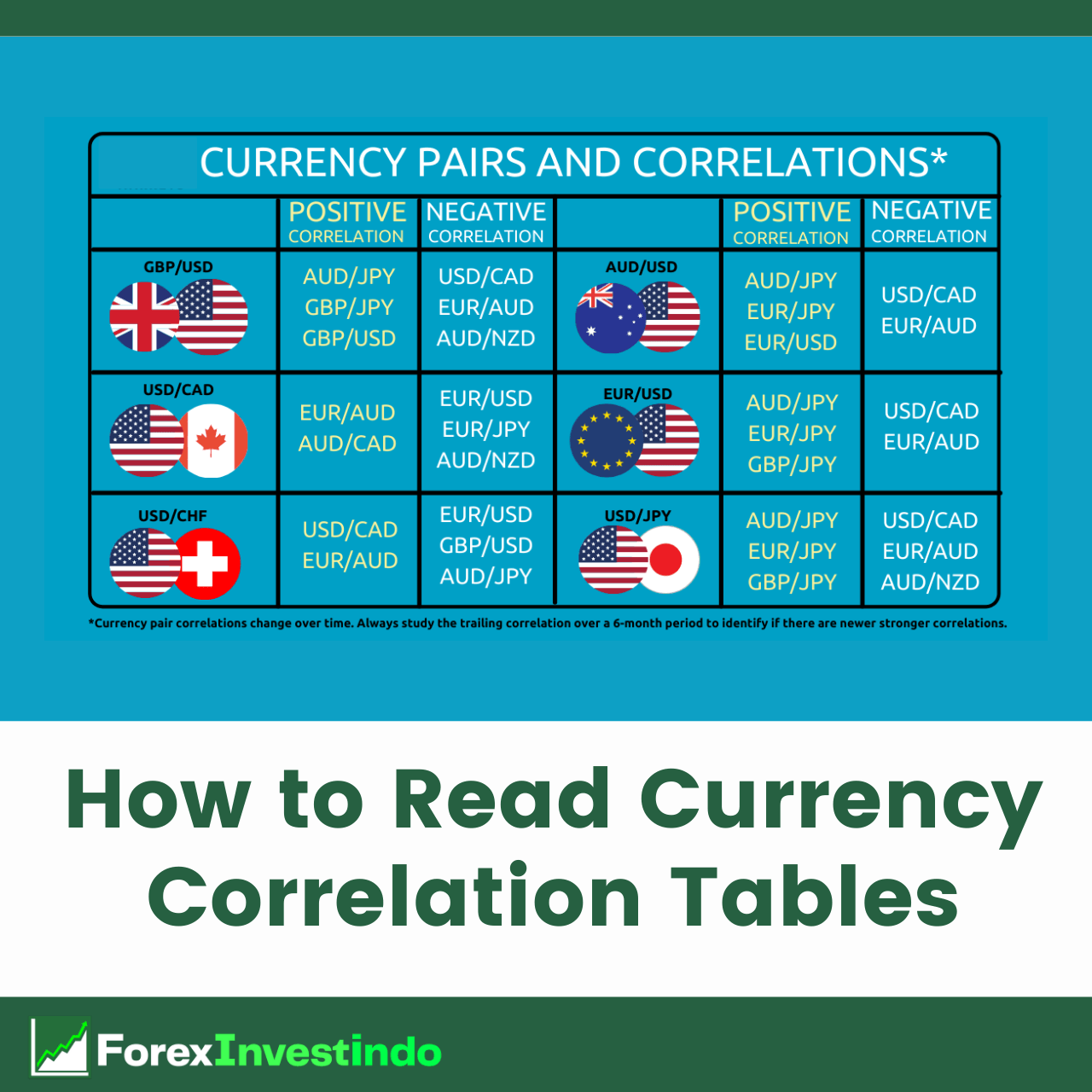
How to Read Currency Correlation Tables
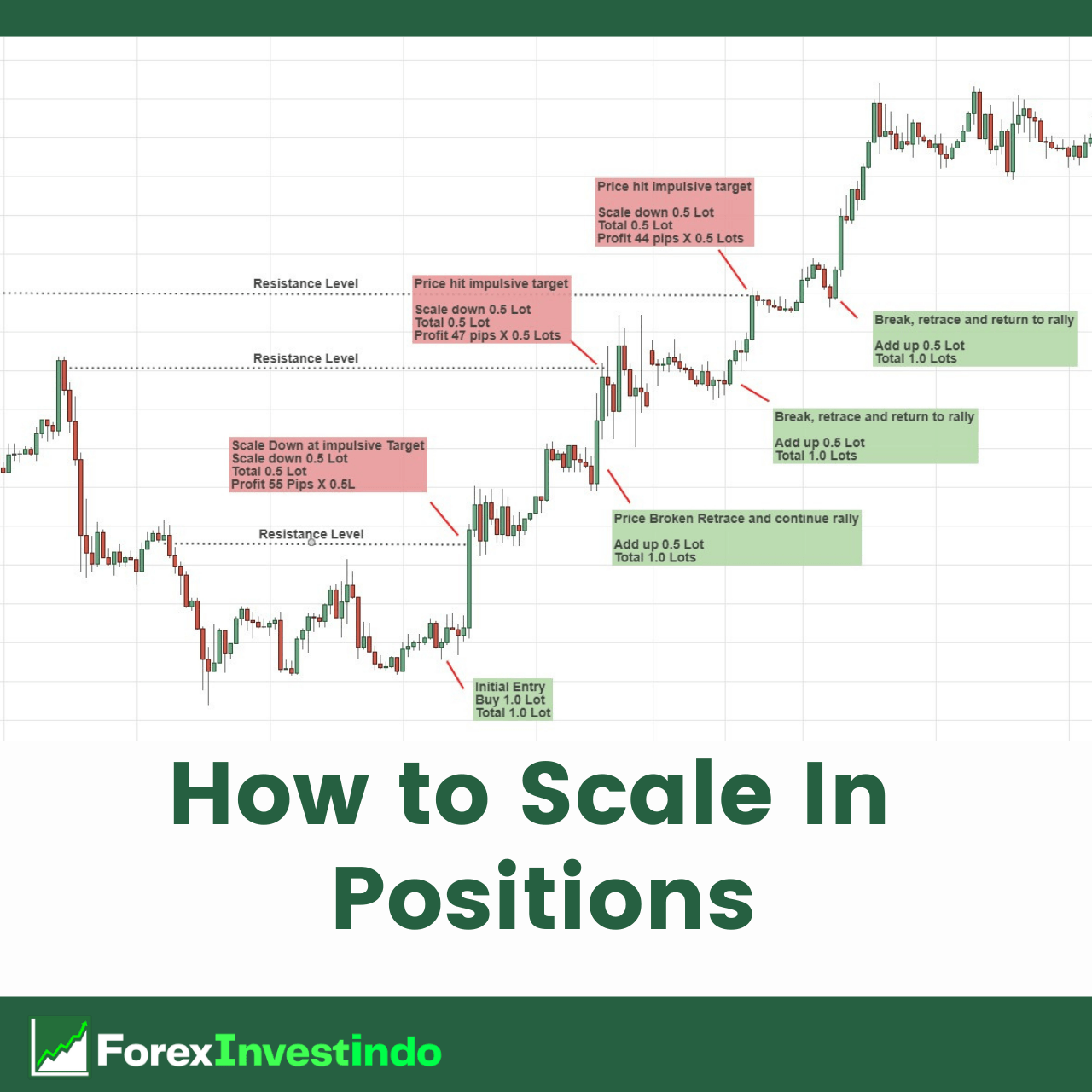
How to Scale In Positions

How to Scale Out of Position
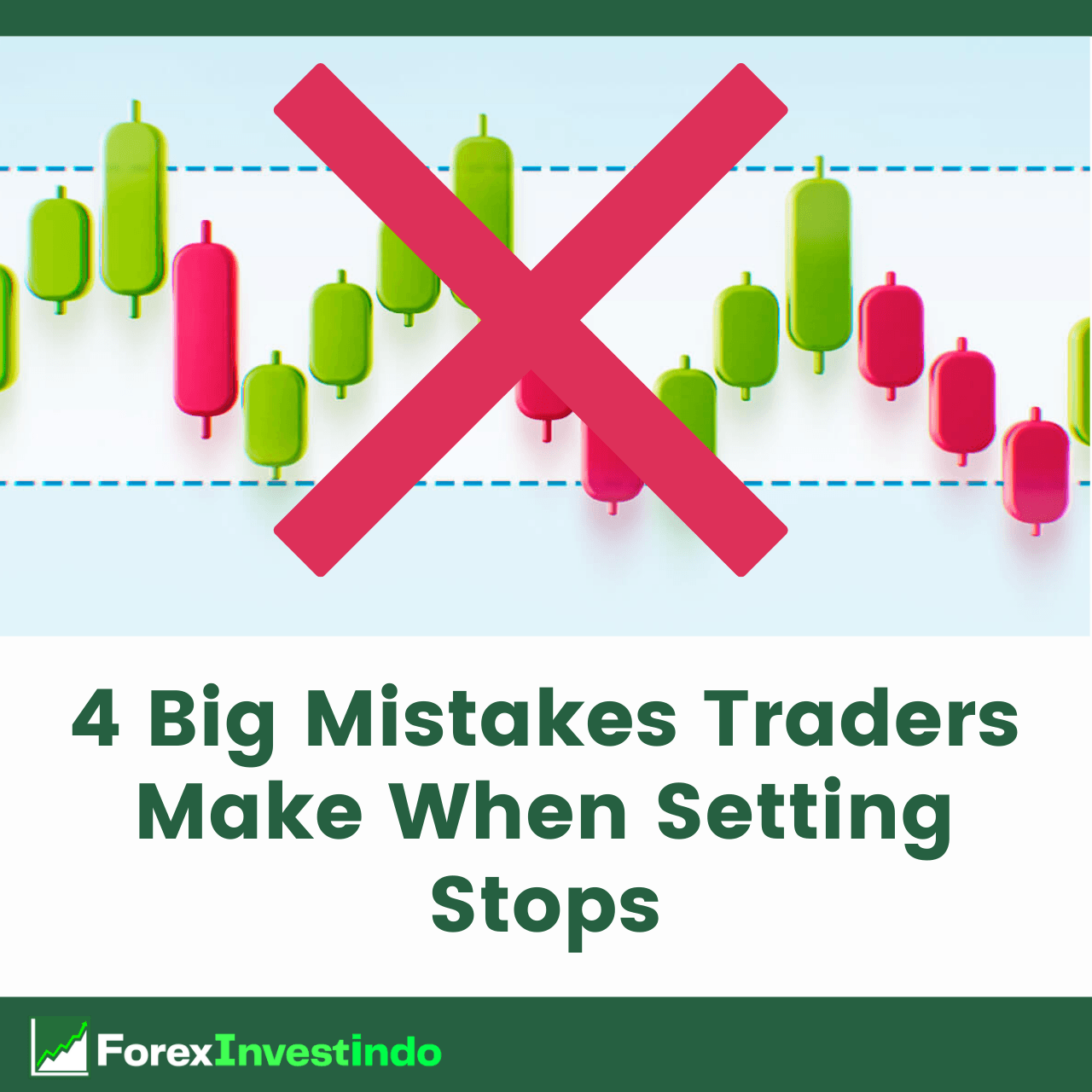
4 Big Mistakes Traders Make When Setting Stops
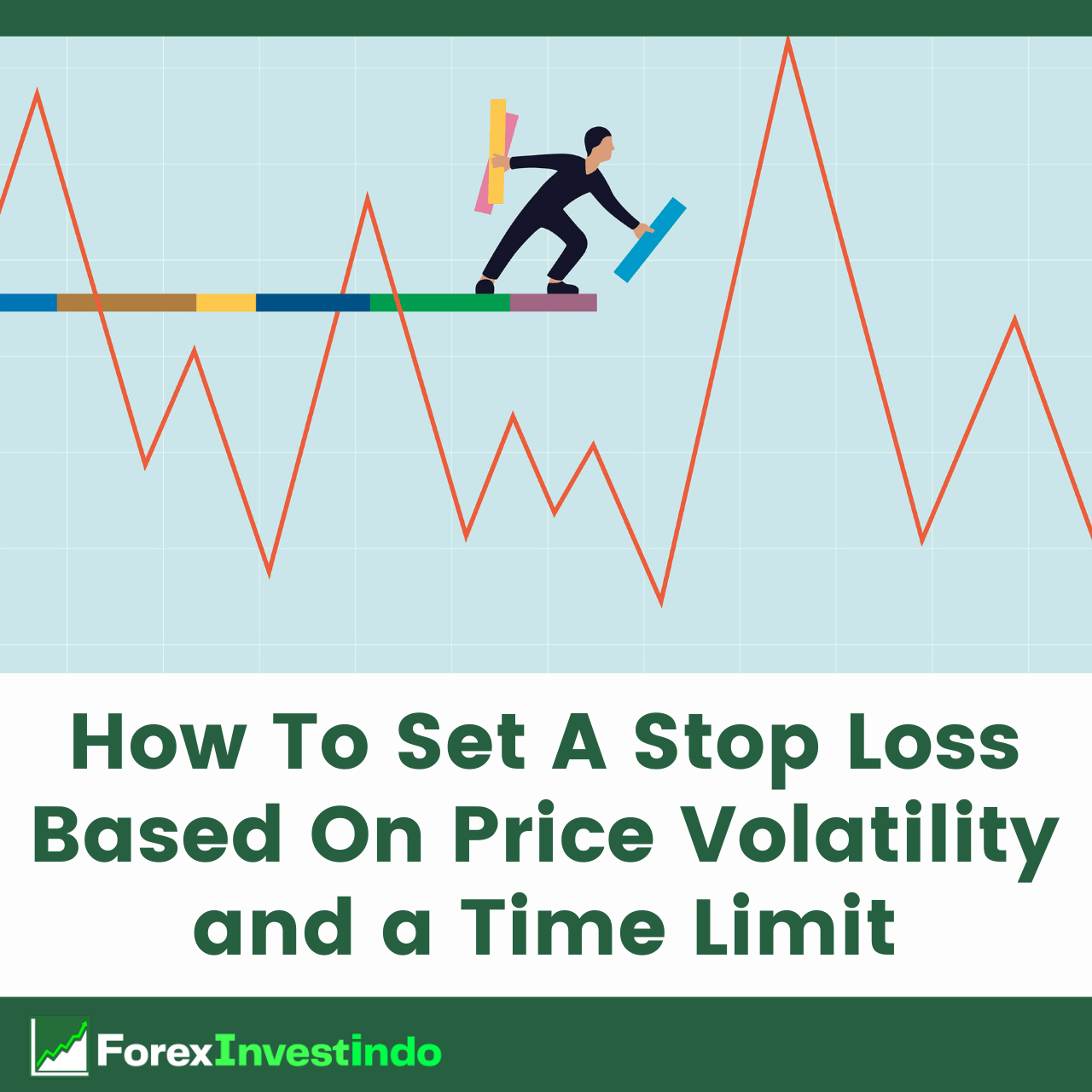
How To Set A Stop Loss Based On Price Volatility and a Time Limit
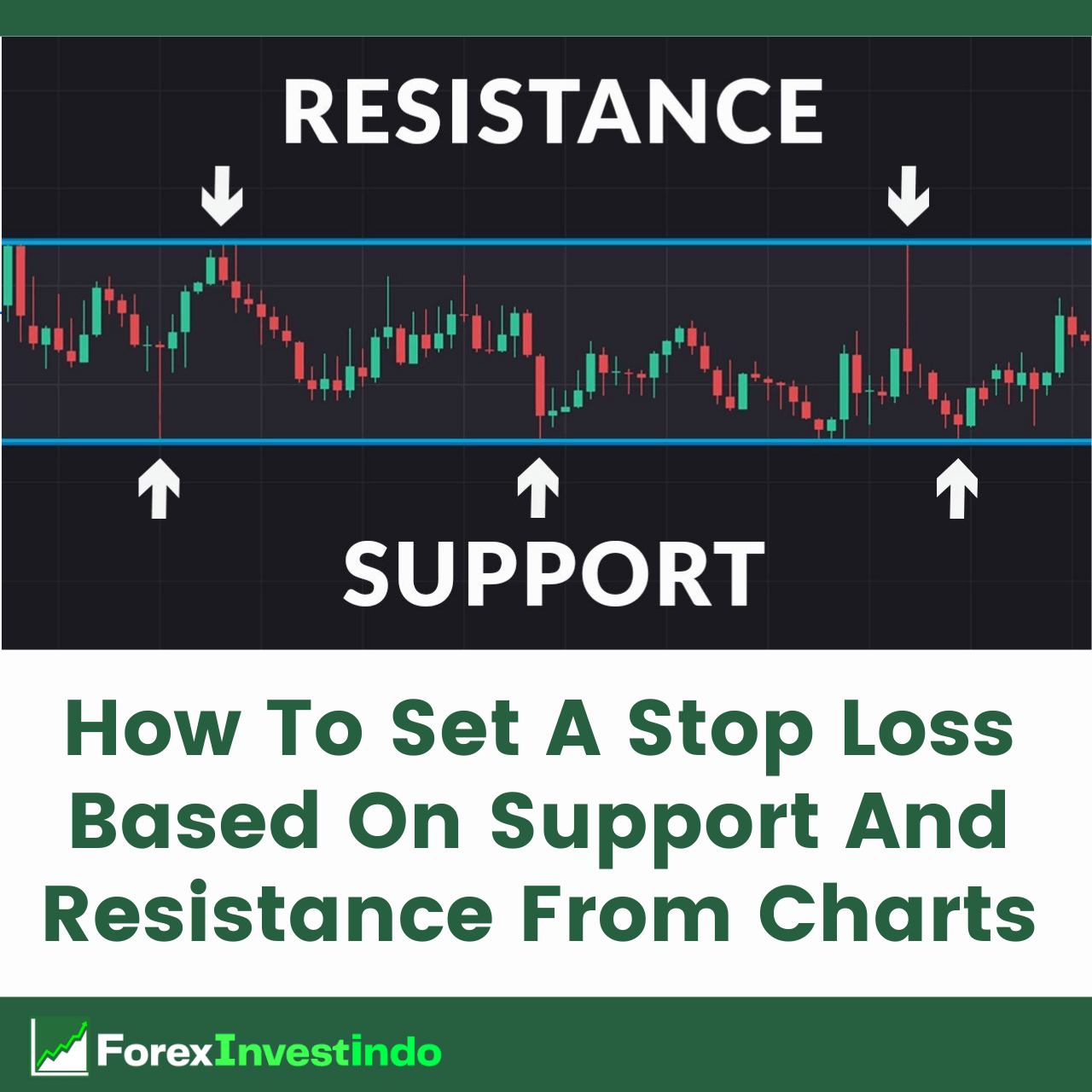
How To Set A Stop Loss Based On Support And Resistance From Charts
Scaling In and Out of Position
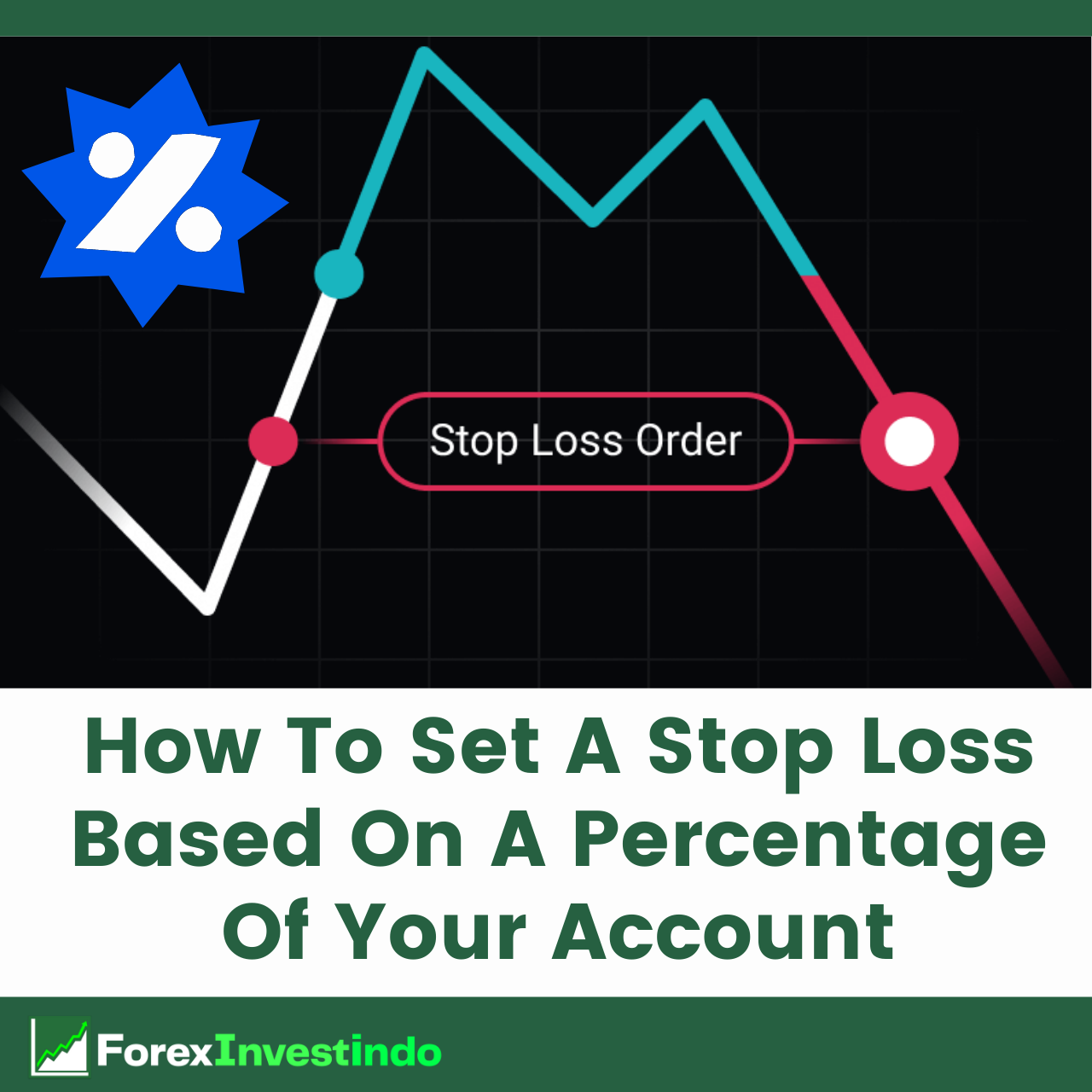
How To Set A Stop Loss Based On A Percentage Of Your Account
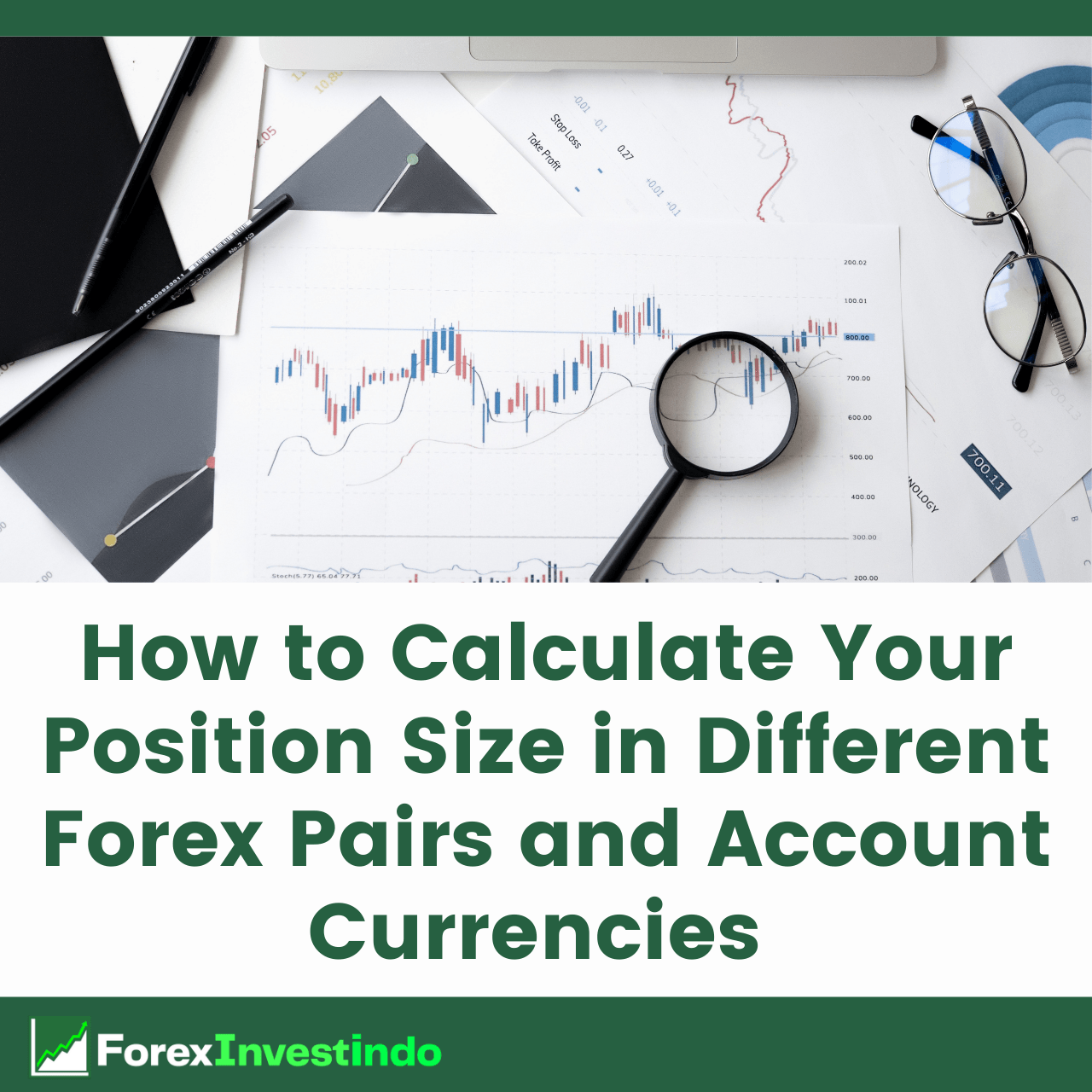
How to Calculate Your Position Size in Different Forex Pairs and Account Currencies
Position Sizing and How to Calculate It
What is a Stop Loss?
How Leverage Affects Transaction Costs

Low Leverage Allows New Forex Traders To Survive
Never Underestimate Leverage
See How Leverage Can Quickly Wipe Out Your Account
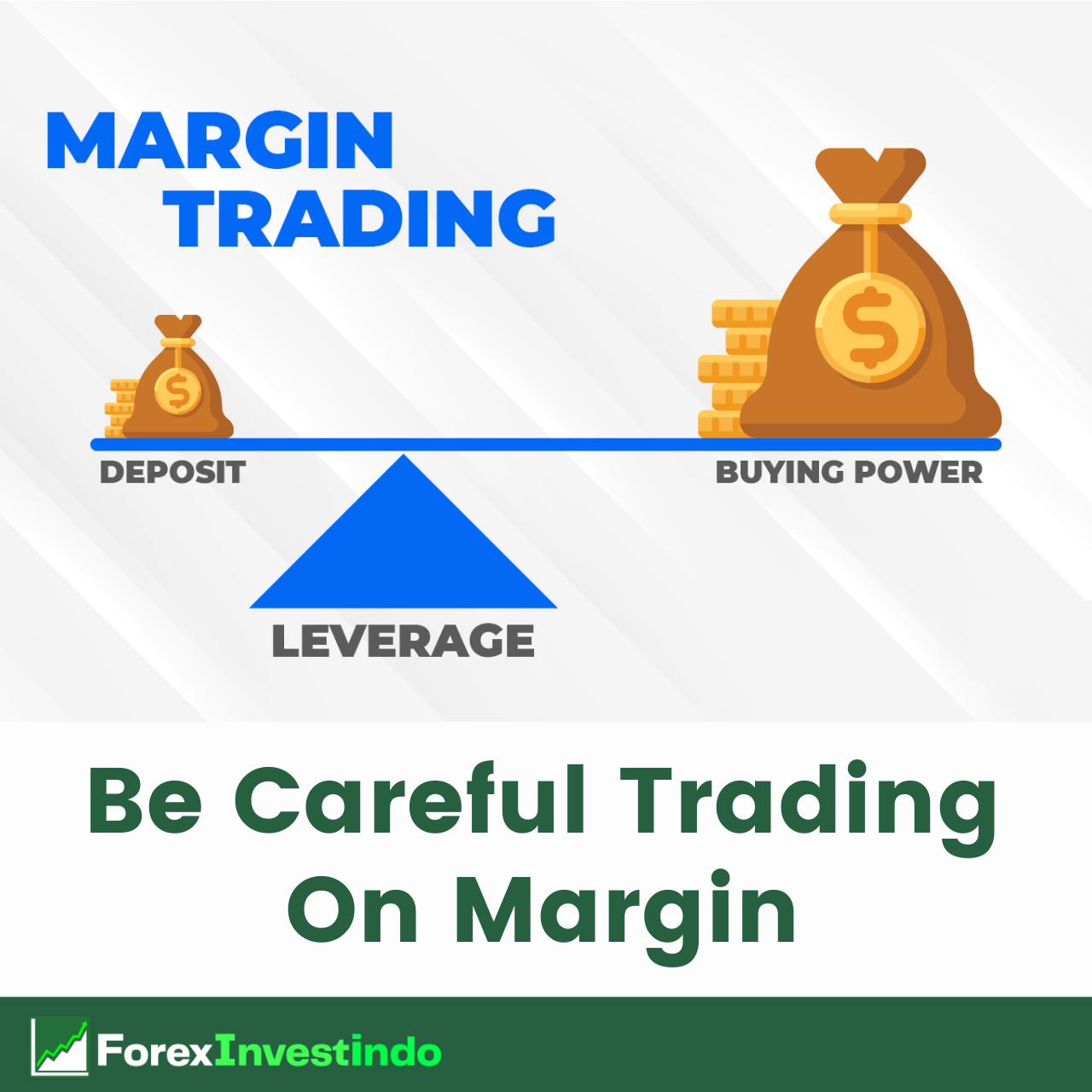
Be Careful Trading on Margin
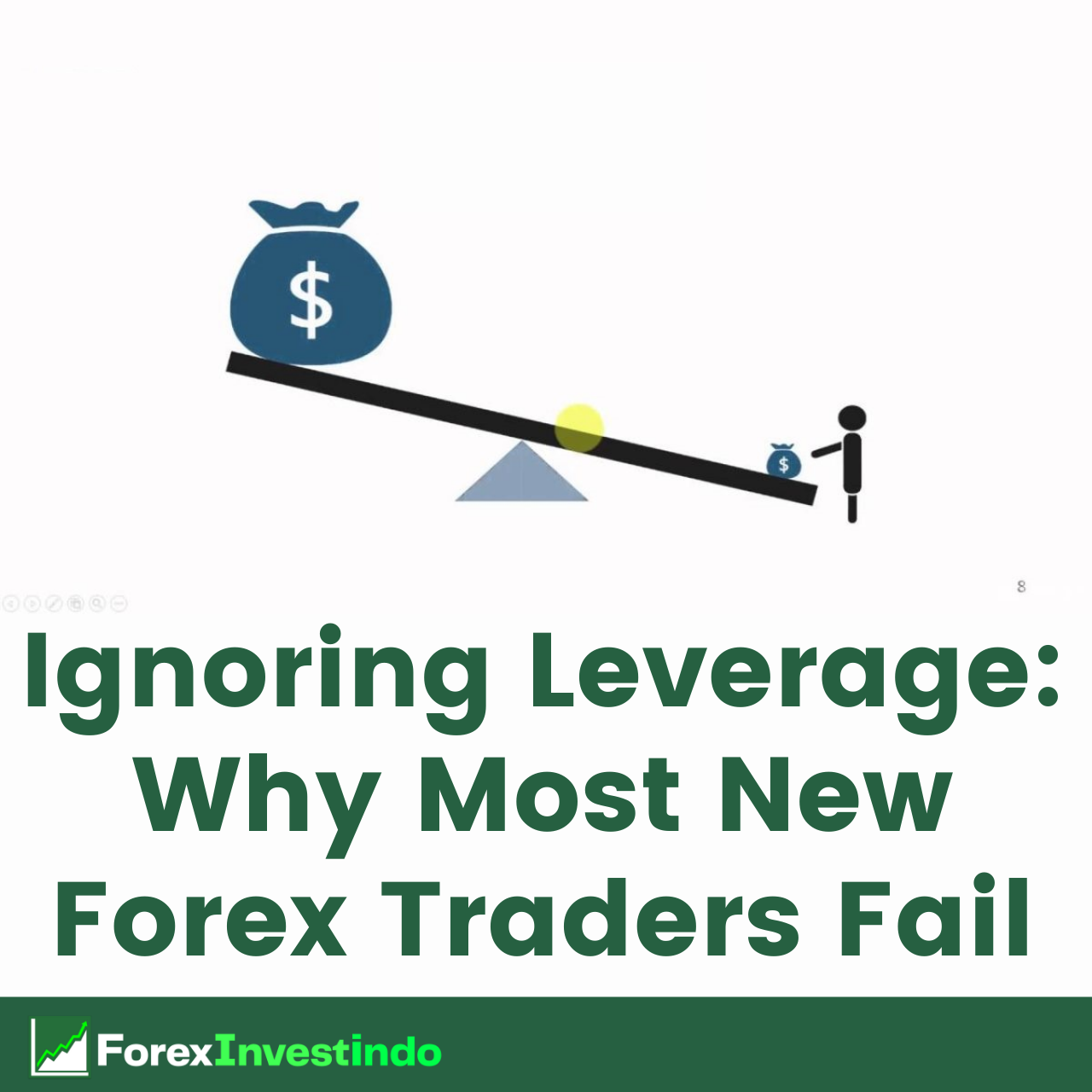
Ignoring Leverage: Why Most New Forex Traders Fail
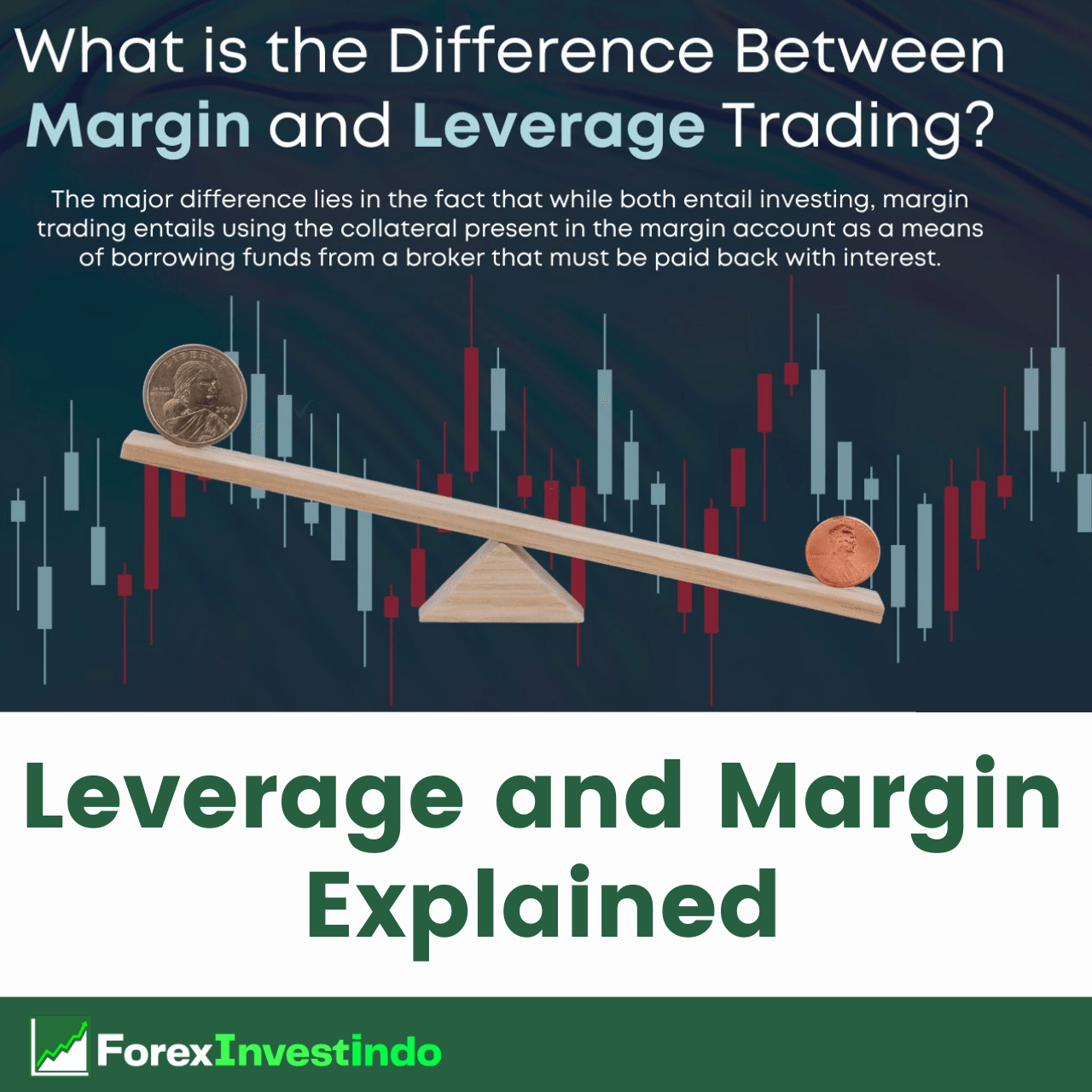
Leverage and Margin Explained
Margin Call Explained
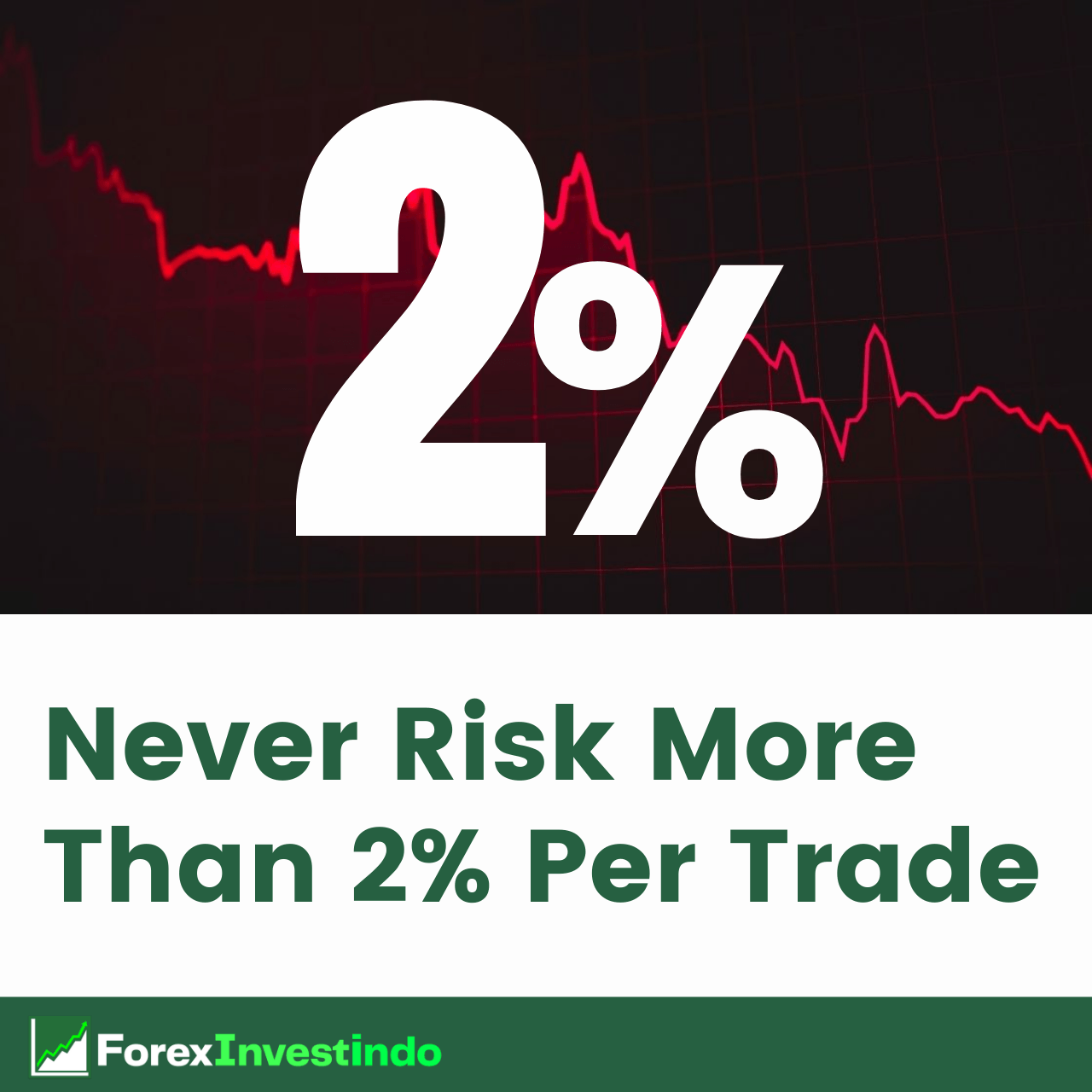
Never Risk More Than 2% Per Trade
Reward-to-Risk Ratio
Study Your Losses to Realize Gains
Drawdown and Maximum Drawdown Explained
Reviewing Your Trading Journal and Why is it Worth it
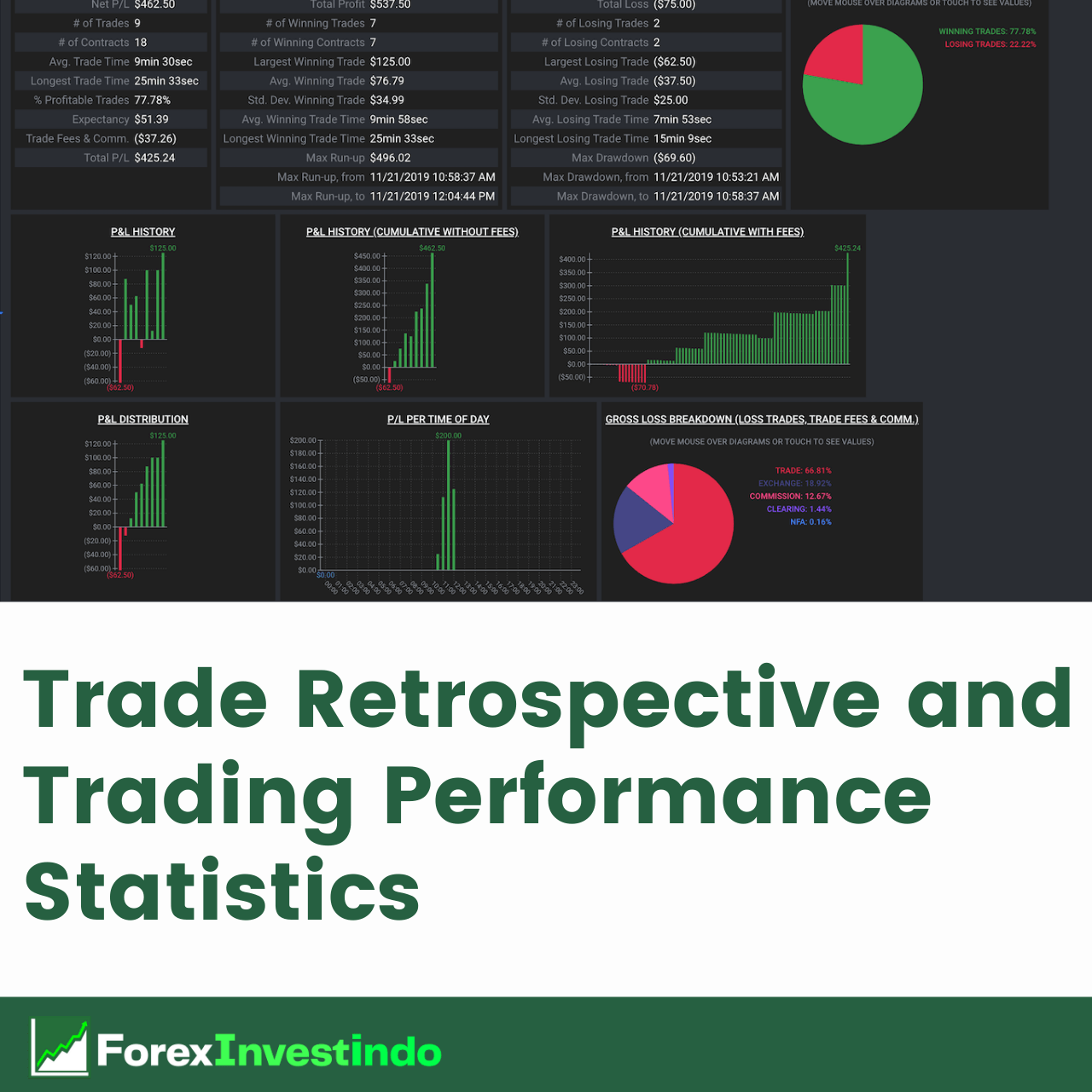
Trade Retrospective and Trading Performance Statistics
What is Risk Management?
5 Reasons to Keep a Forex Journal
5 Things You Must Have in Your Trading Journal
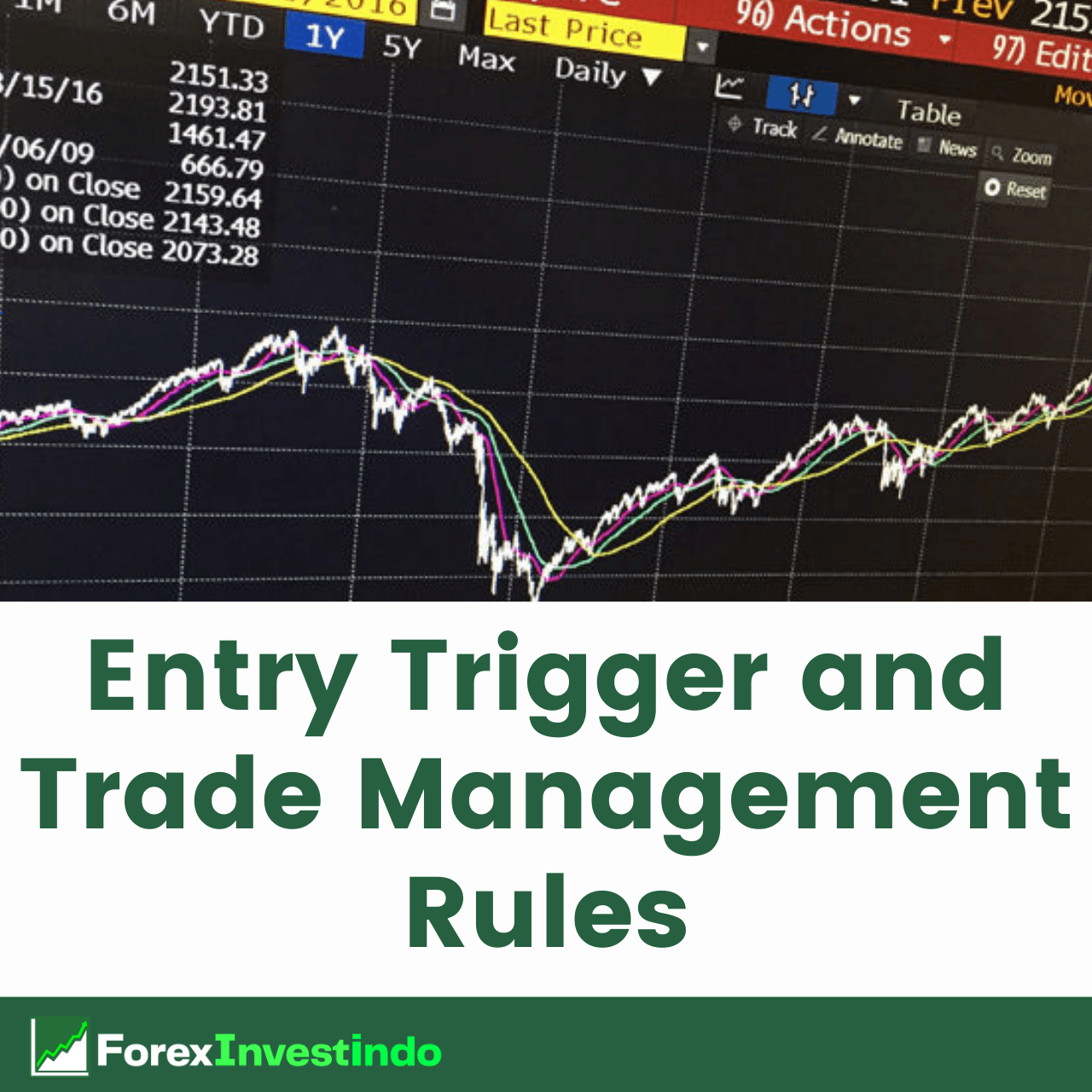
Entry Trigger and Trade Management Rules
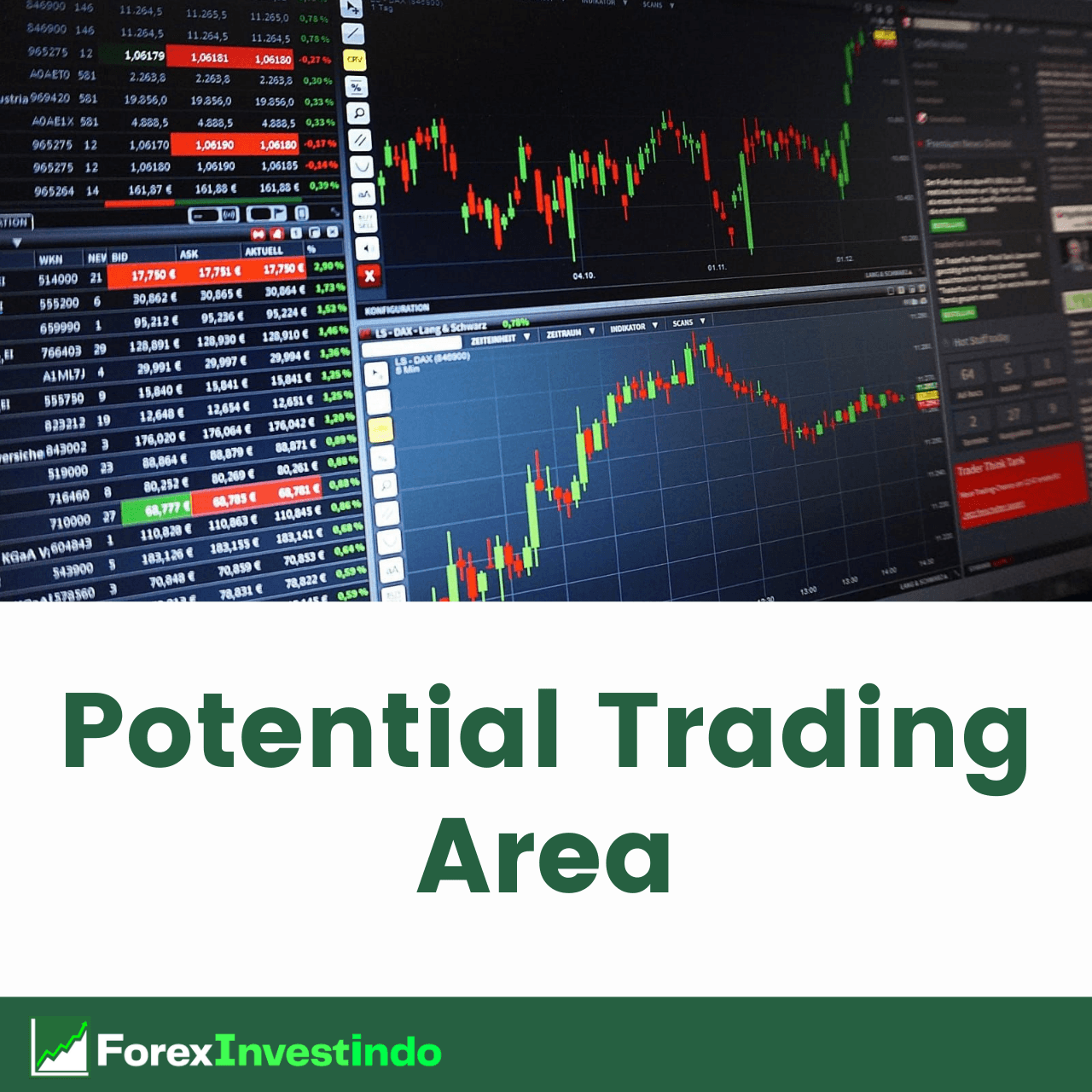
Potential Trading Area
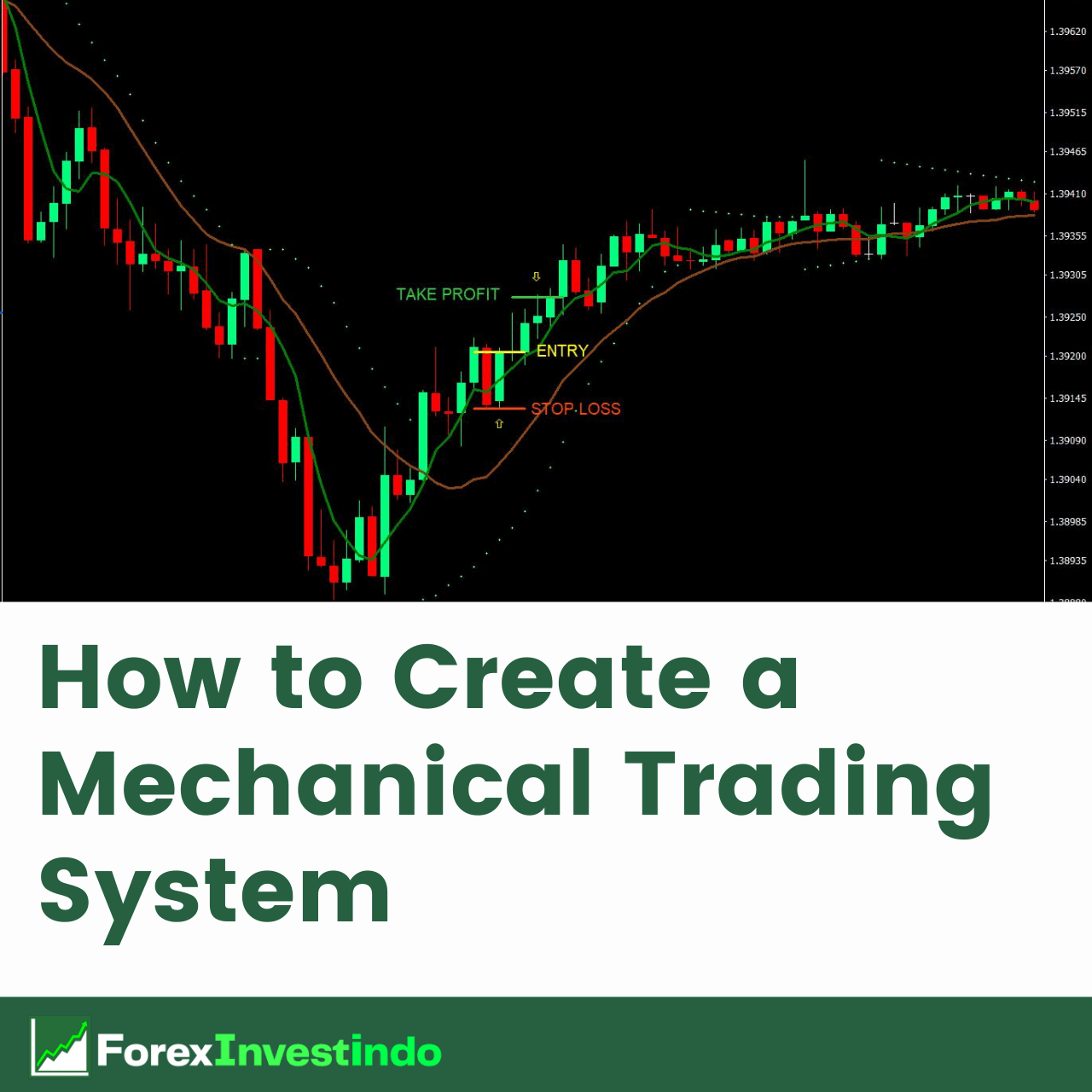
How to Create a Mechanical Trading System
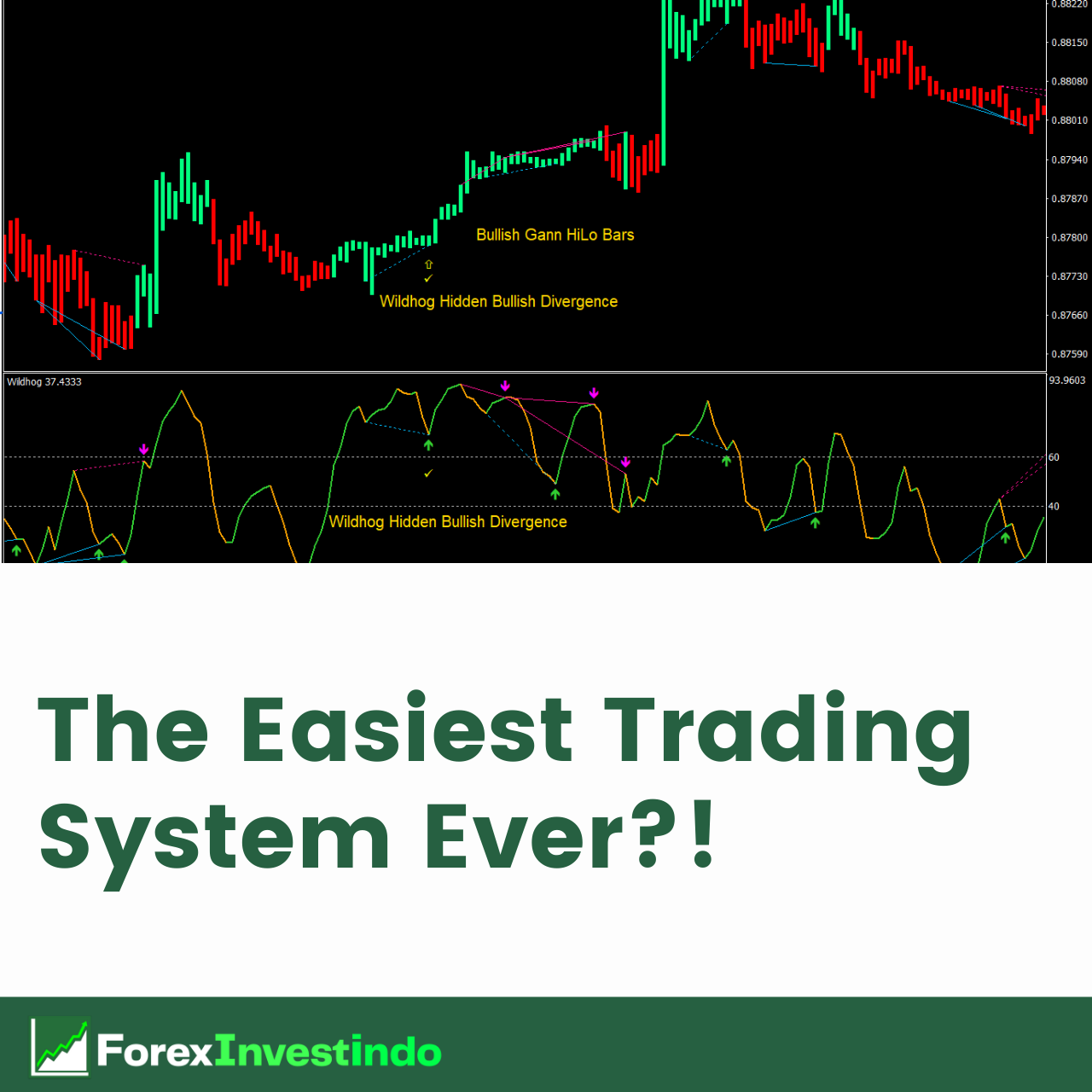
The “So Easy It’s Ridiculous” Trading System
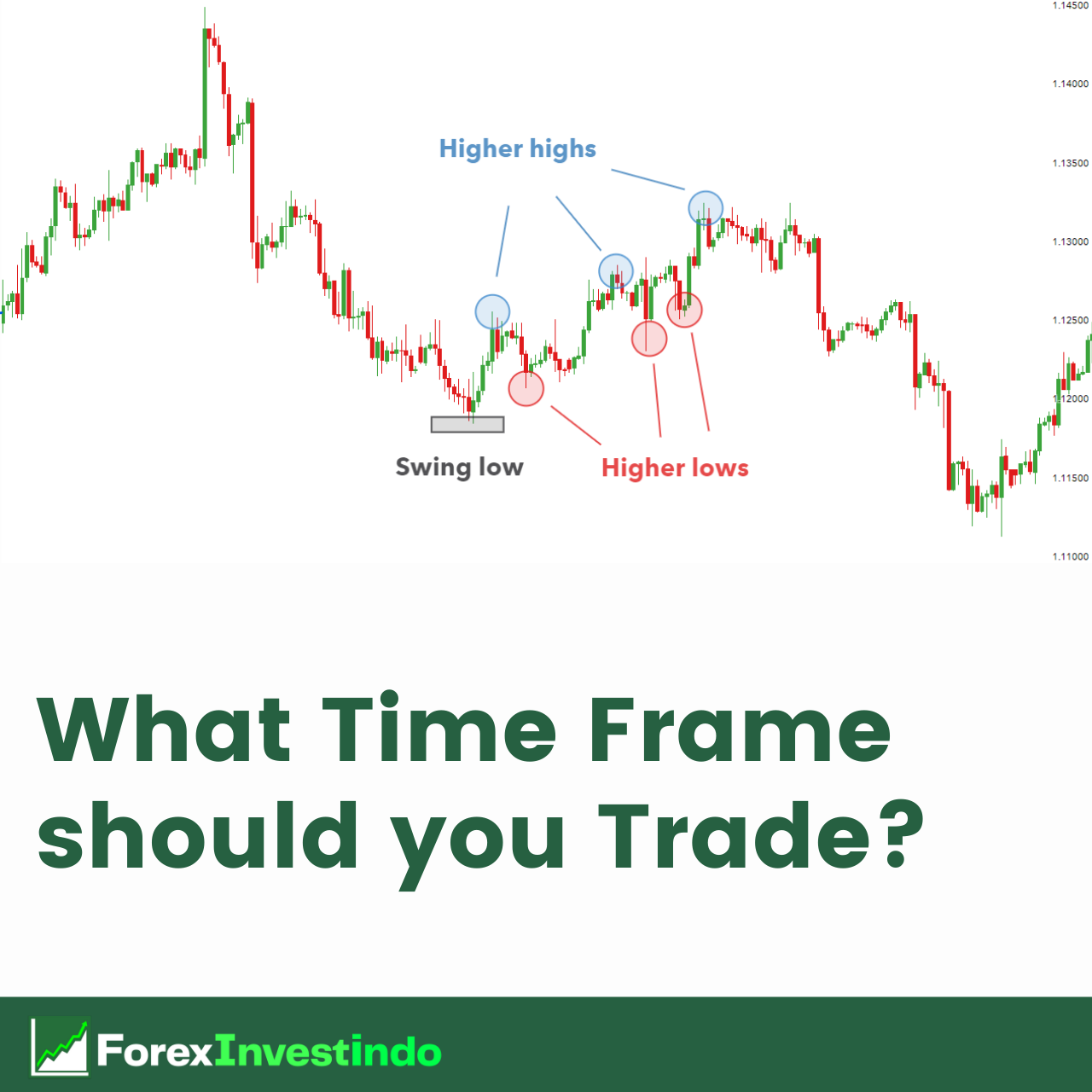
What Time Frame Should You Trade?
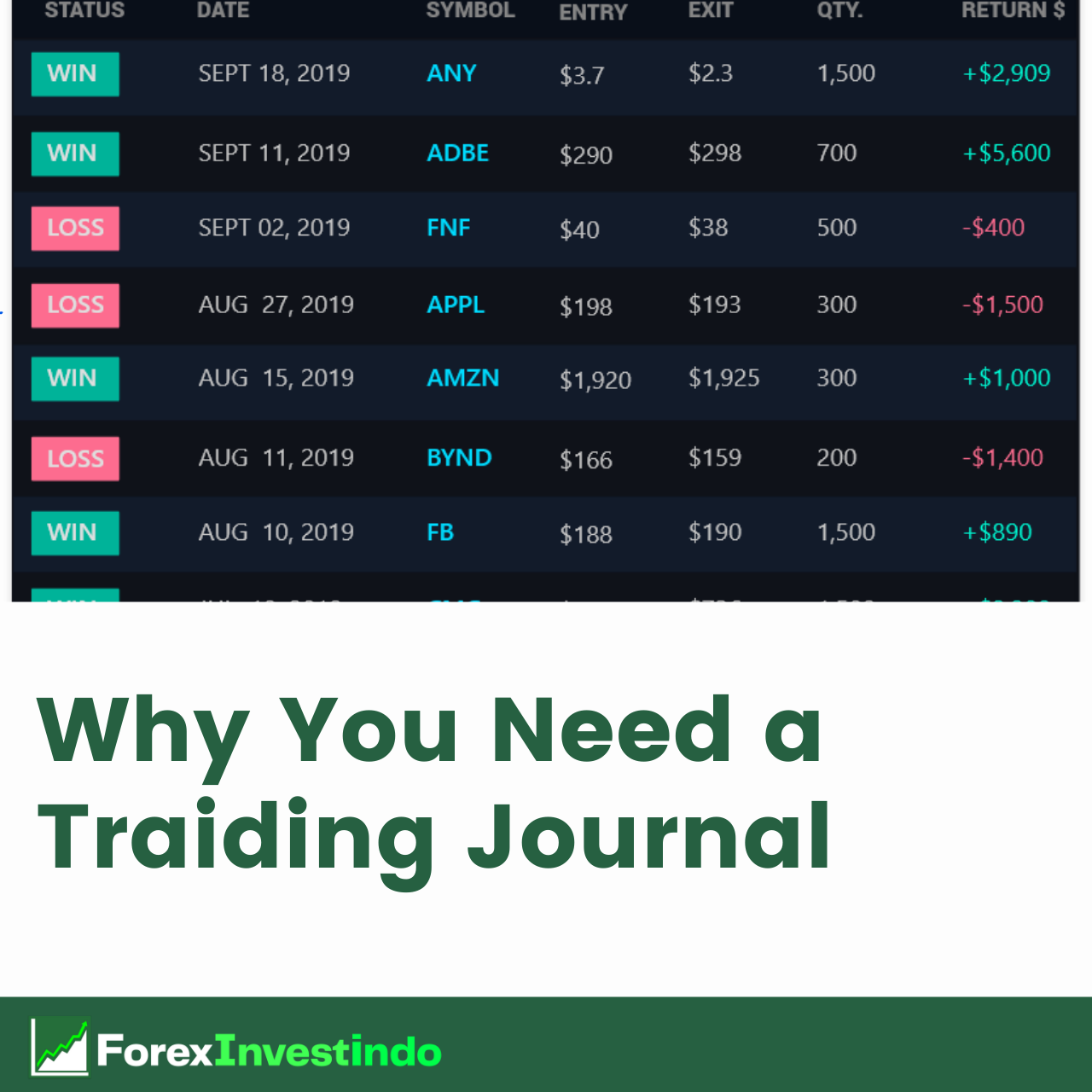
Why You Need a Trading Journal
Build Your Trading System in 3 Steps
Design Your Trading System in 6 Steps
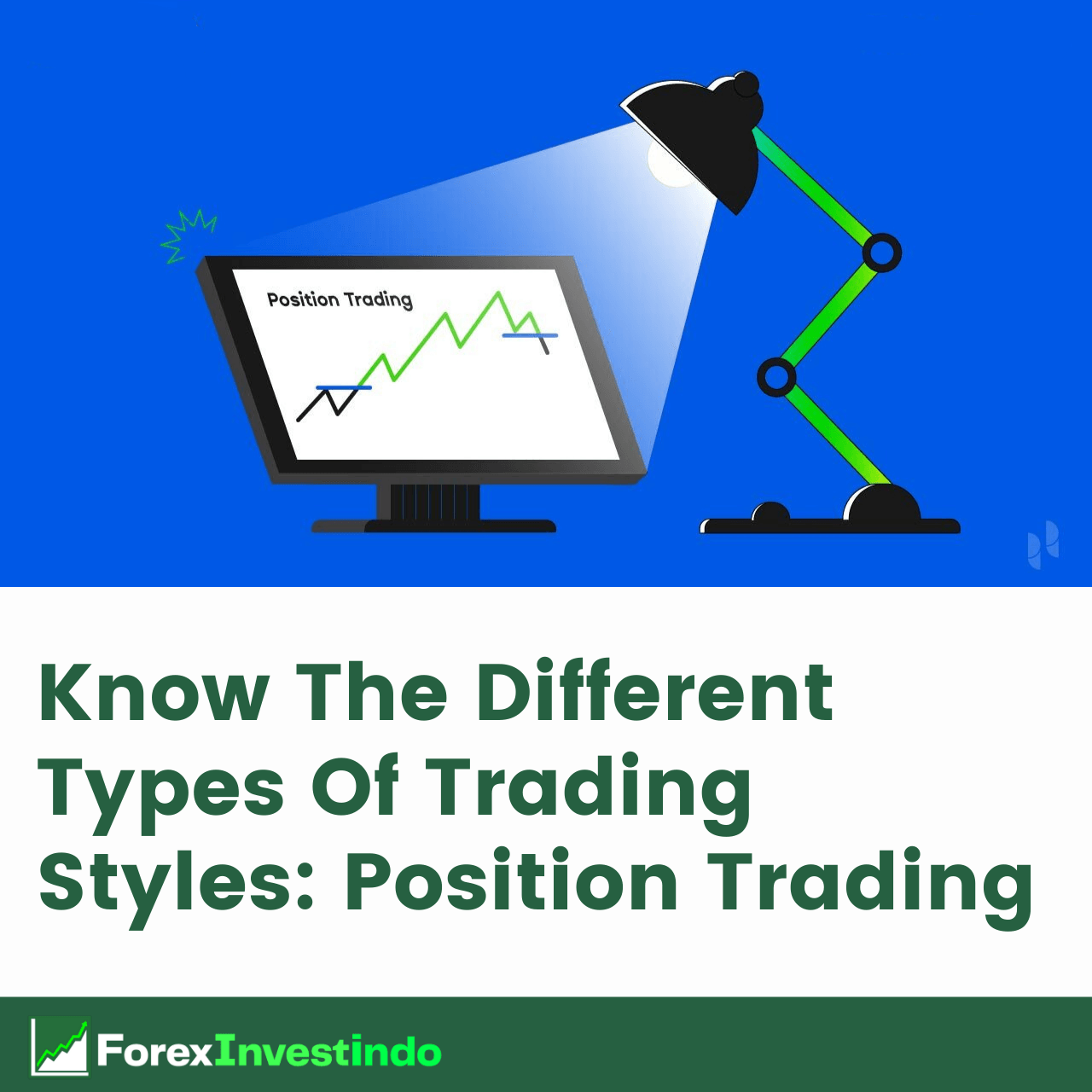
Know The Different Types Of Trading Styles: Position Trading
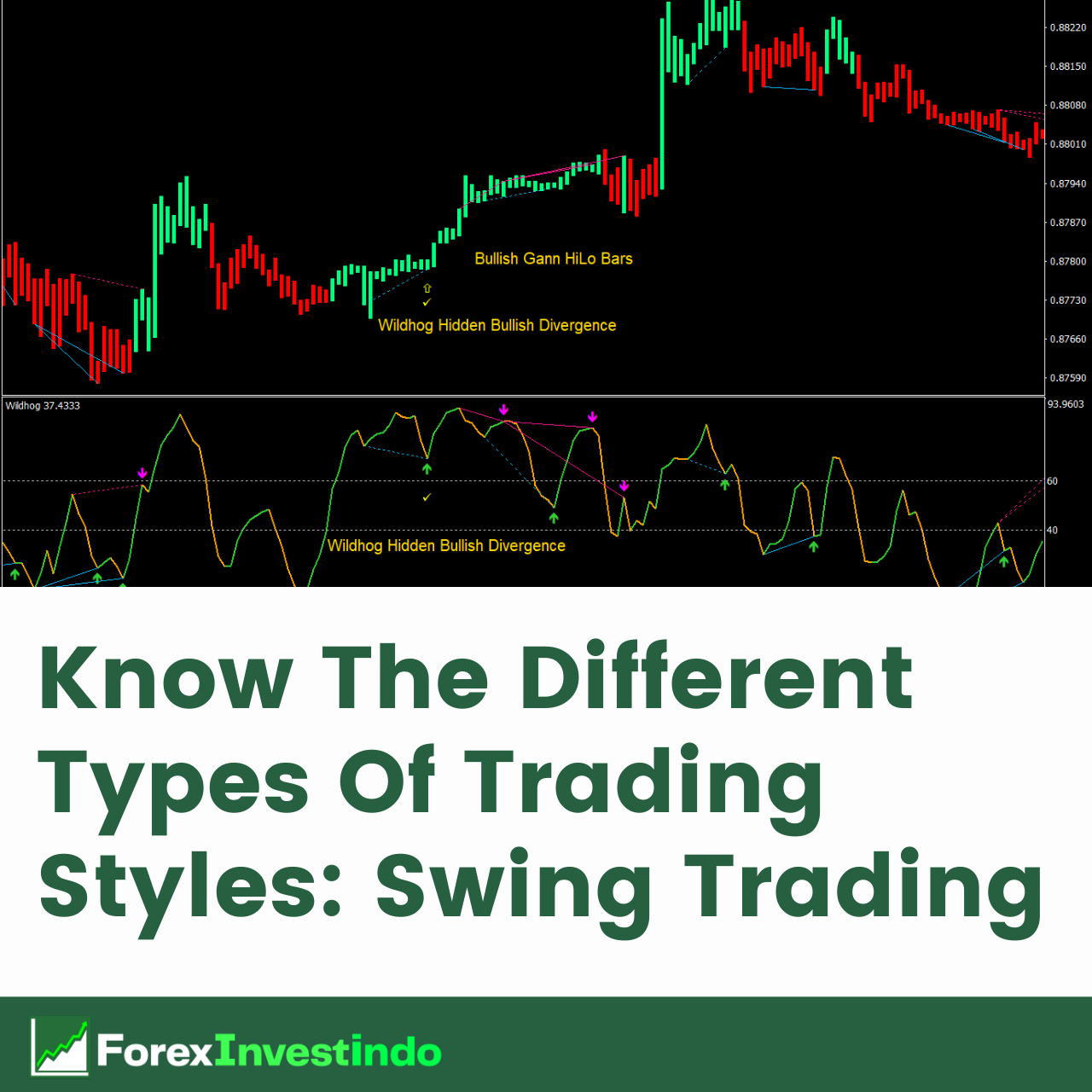
Know The Different Types Of Trading Styles: Swing Trading
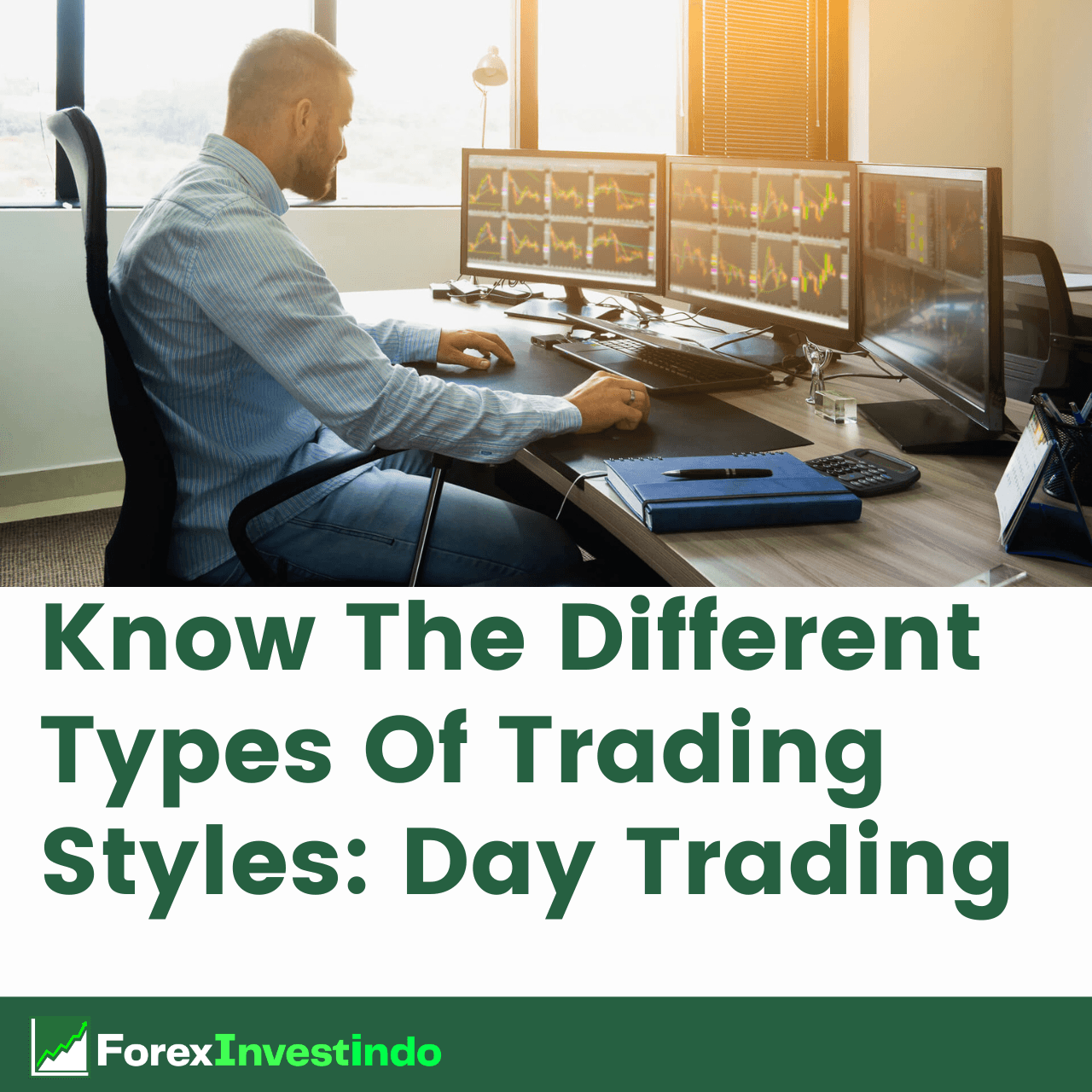
Know The Different Types Of Trading Styles: Day Trading
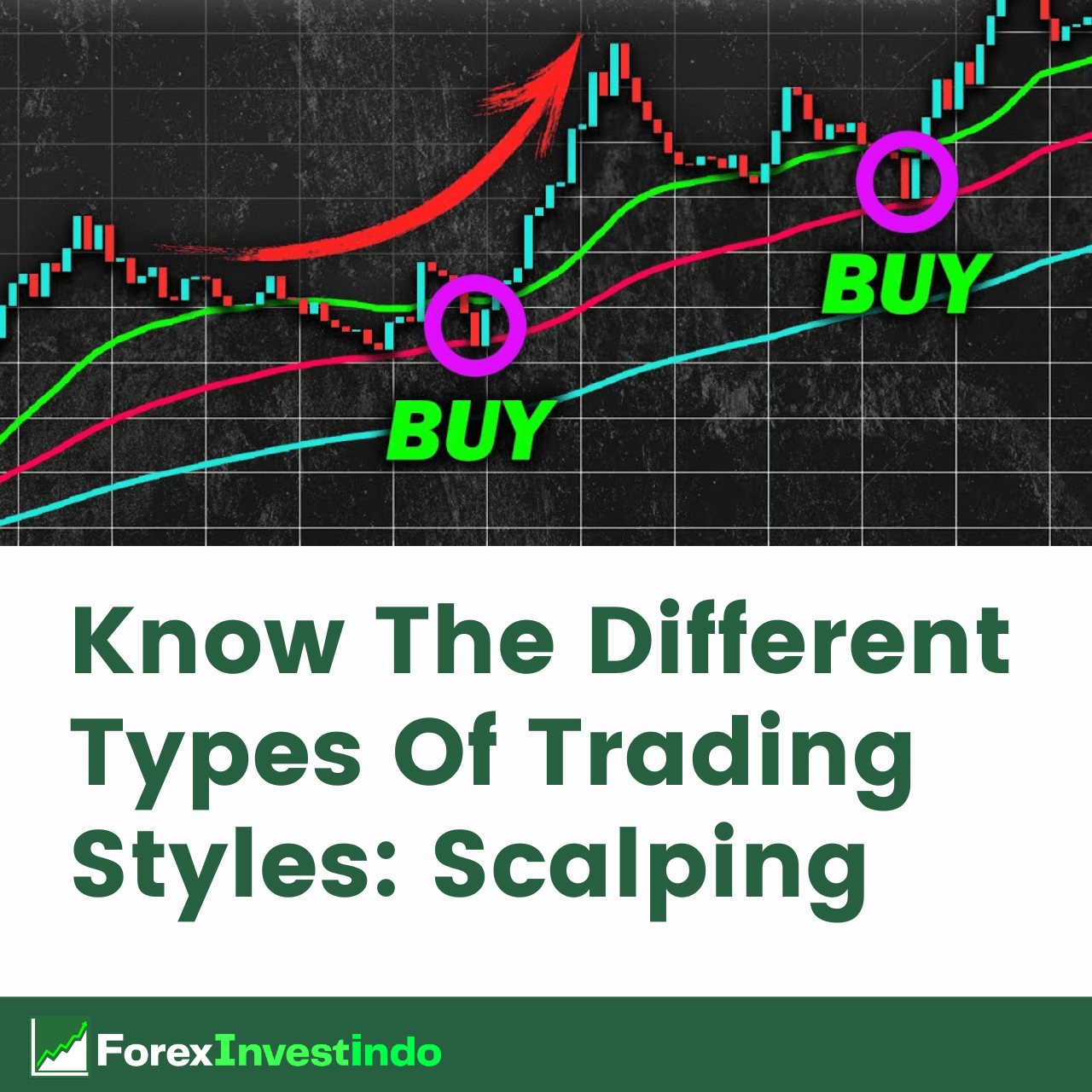
Know The Different Types Of Trading Styles: Scalping
Stick with Your Trading Plan
What Forex Trading Software, Hardware, And Other Tools Will You Use?

Why Trading Discipline is the Key to Consistent Profitability
Why Do Forex Traders Need A Trading Plan?
Which Kind Of Returns Do You Expect To Make From Forex Trading?

How To Find A Trading Style That Suits Your Personality

What Is Your Risk Capital? How Much Money Can You Afford To Lose?
How Bond Yields Affect Currency Movements
How to Use EUR/JPY as a Leading Indicator for Stocks

Forex and Global Equity Markets
How Oil Moves with USD/CAD and How that Relationship is Changing
How the Stock Market Affects the Forex Market
How Bond Spreads Between Two Countries Affect Their Exchange Rate and How Fixed Income Securities Affect Currency Movements

How Gold Affects AUD/USD and USD/CHF

Bloomberg Dollar Spot Index

The Dollar Smile Theory
Trade Weighted Dollar Index
How to Read the US Dollar Index and Using the USDX for Forex Trading
Navigating Carry Trades: When to Invest and When to Stay Away
What is the US Dollar Index (USDX)?
Maximizing Returns with Currency Carry Trade: Understanding the Basics and Risks Involved

Carry Trade Criteria and Risk

Maximizing Profits: A Guide to Trading the News with the Straddle Trade Strategy
Mastering the Carry Trade: A Guide to Profiting from Interest Rate Differentials in Forex Trading
How to Trade the News With a Directional Bias
Trading With Three Time Frames

Mastering Forex News Trading: Strategies, Risks, and Opportunities

Market Sentiment
Be Wary of Trading Difficult Currency Crosses
How Cross Currency Pairs Affect Dollar Pairs
How to Use Multiple Time Frame Analysis to Find Better Entry and Exit Points

How to Trade a Synthetic Currency Pair and Why You Probably Shouldn’t
How to Trade Fundamentals With Currency Crosses
What Time Frame Is Best for Trading?
What Time Frame Should I Trade?

Why You Should Look at Multiple Time Frames When Trading Forex
How to Trade Using Multiple Time Frame Analysis
How to Use Currency Crosses to Trade the Majors
Trading the Euro and Yen Crosses
Fade the Breakout

Trade Interest Rate Differentials
What is Fundamental Analysis?
Why Trade Currency Crosses?

Market Expectations of News and Their Impact on Currencies

What is a Currency Cross Pair?
Where to Find Forex News and Market Data

Fundamental Factors That Affect Currency Values
Hawkish vs Dovish: Differences Between Monetary Policies
How Monetary Policy Affects the Forex Market

Why Interest Rates Matter to Forex Traders

How to Trade Fakeouts
How to Detect Fakeouts
How to Identify Reversals and Retracements
How to Measure the Strength of a Breakout
How to Measure Volatility
How to Trade Breakouts
How to Trade Breakouts Using Trend Lines, Channels and Triangles
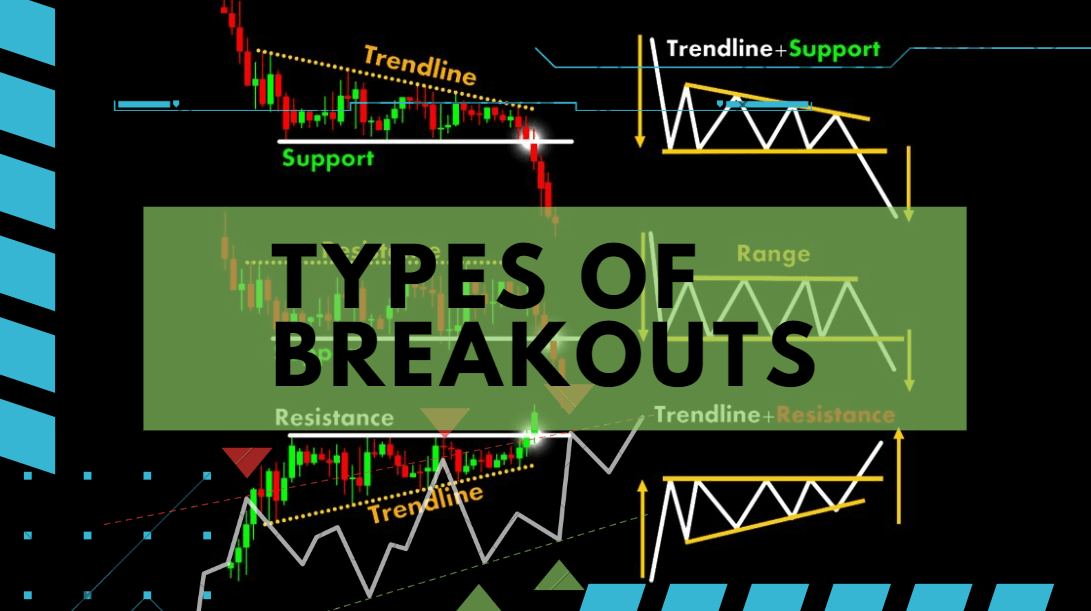
Types of Breakouts
What is a Range-Bound Market?
Divergence are NOT a Trade Signal

Knowing Your Trading Environment

Trend Retracement or Reversal?
What is a Trending Market?
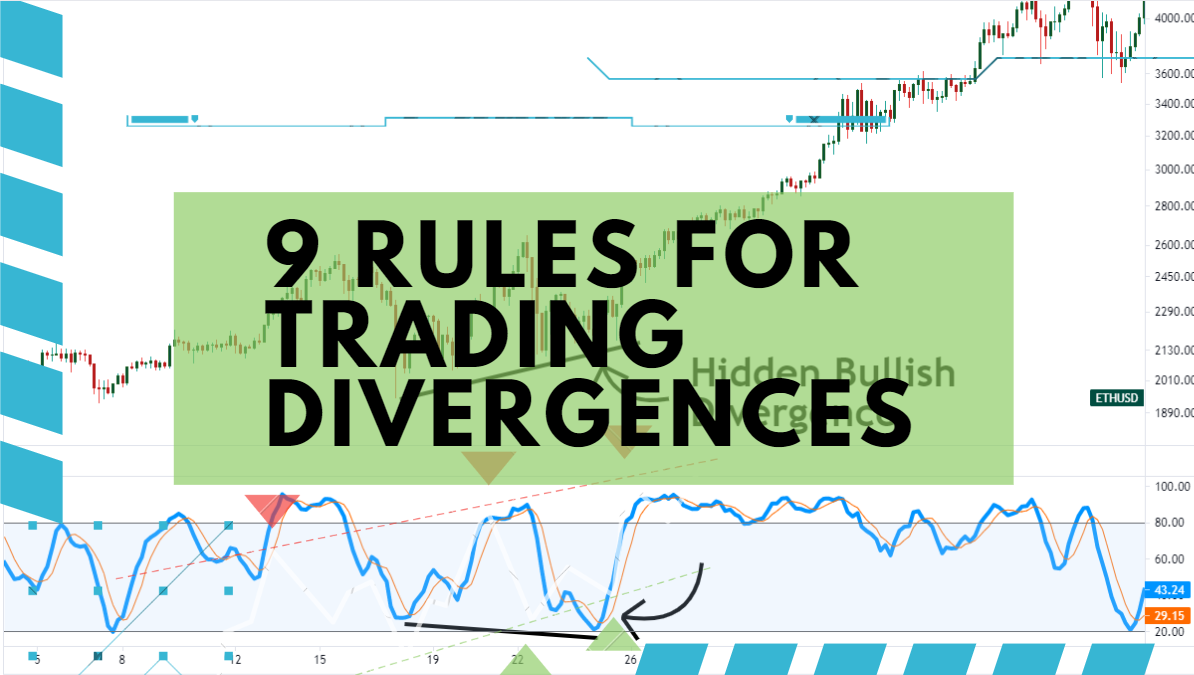
9 Rules for Trading Divergences
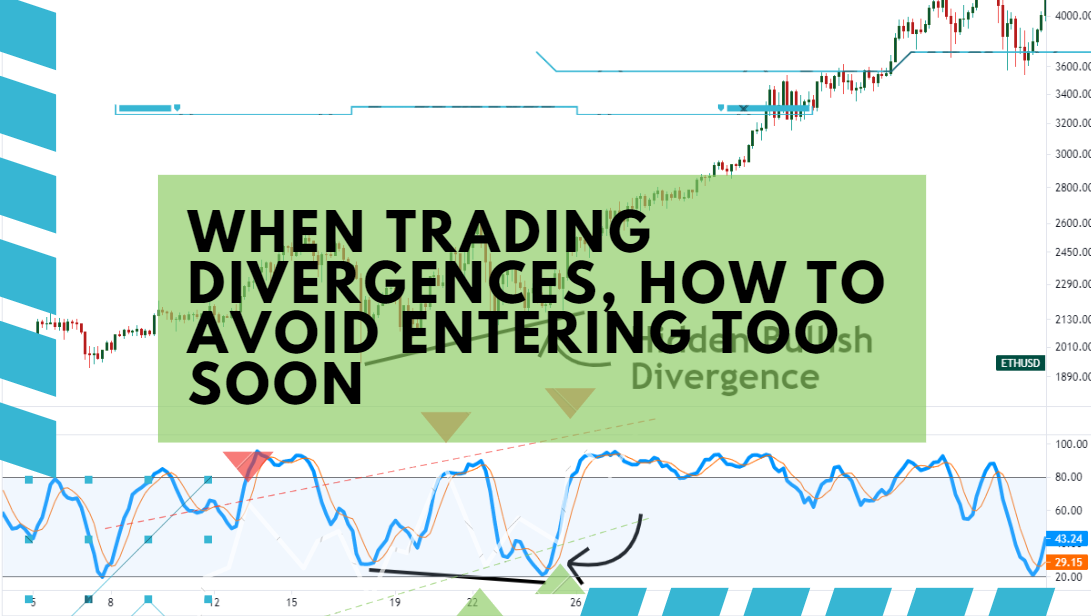
When Trading Divergences, How to Avoid Entering Too Soon
How to Trade Divergence
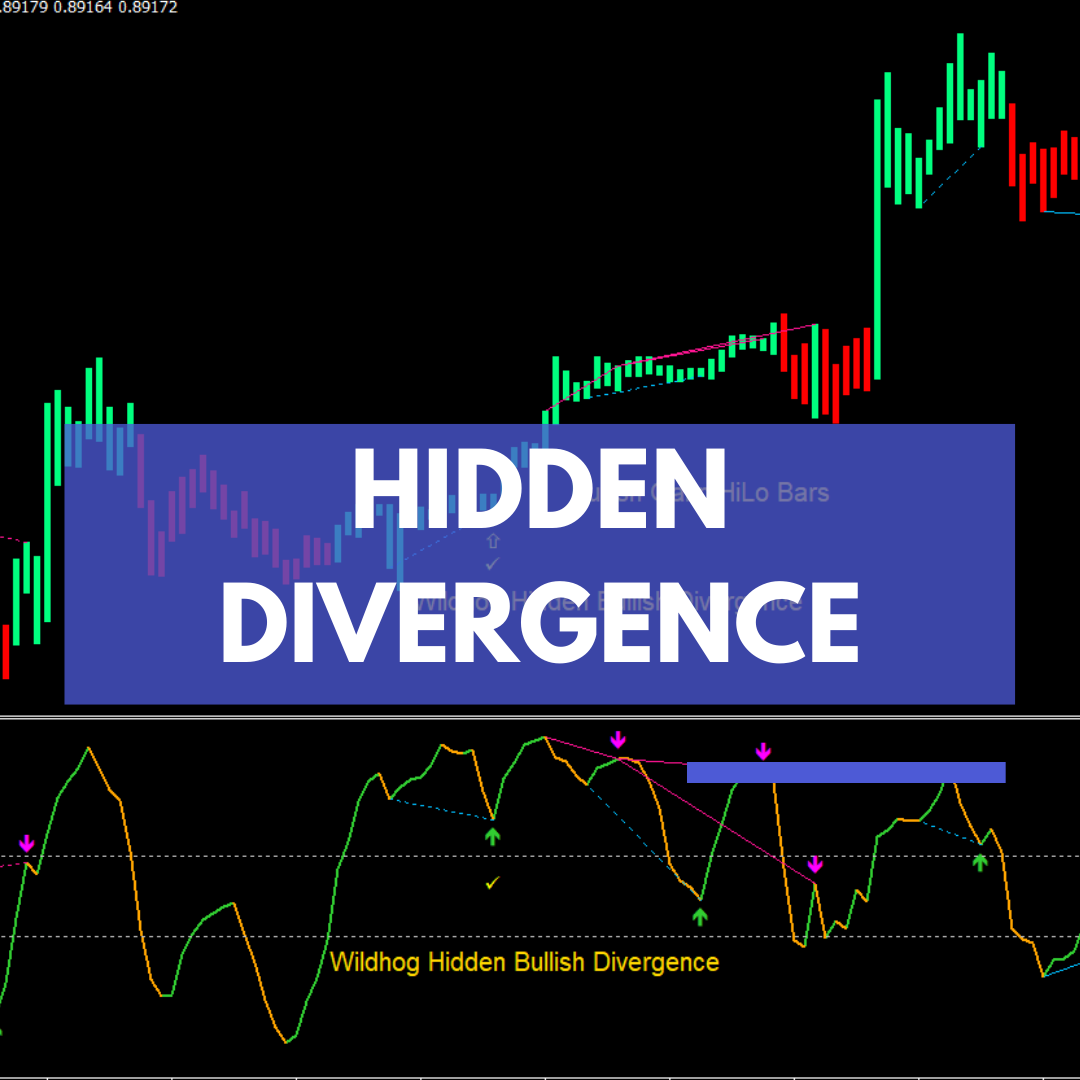
Hidden Divergence
Regular Divergence
Trading Divergence
3 Steps to Trading Harmonic Price Patterns

Trading The Gartley Pattern
The ABCD and the Three-Drive
Elliott Wave Theory’s Three Cardinal Rules
Fractals: Elliott Waves Within an Elliott Wave
Forex Market Harmonic Price Patterns
How to Trade Forex Using Elliott Waves
Corrective Waves
Impulse Waves

An Overview of Elliott Wave Theory

Heikin Ashi Limitations
How to Trade Using Heikin Ashi
How to Analyze a Heikin Ashi Chart
How to Calculate Heikin Ashi
3 Other Types of Pivot Points
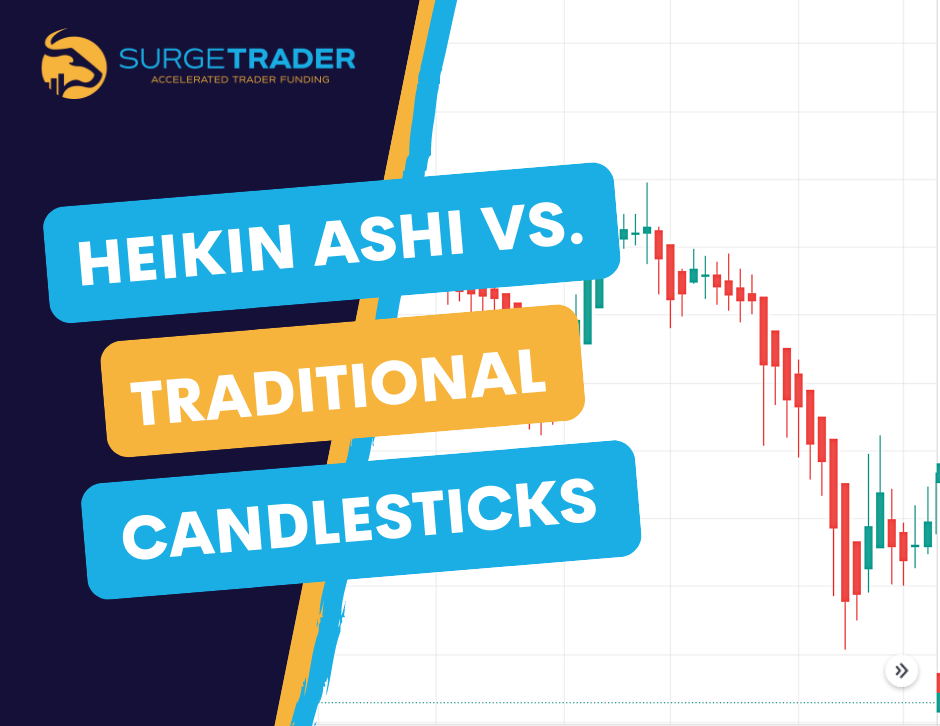
Heikin Ashi Candlestick Chart vs. Traditional Japanese Candlestick Chart
How to Measure Market Sentiment Using Pivot Points
How to Use Pivot Points to Trade Breakouts

What is Heikin Ashi?
Trading Bearish and Bullish Pennants
How to Calculate Pivot Points?
Pivot Points: How to Use Them for Range Trading
Understanding The Three Major Types of Chart Patterns
Triangle Chart Patterns: How to Trade Them
What are Pivot Points?
How to Trade Breakouts Using Rectangle Chart Patterns
Wedge Chart Patterns: How to Trade Them
How to Trade Double Tops and Double Bottoms
Trading with the Head and Shoulders Pattern
How to Use Oscillators to Predict Trend Endings
How to Trade using Chart Patterns
MACD: How to Use It to Confirm a Trend
Leading vs Lagging Indicators
How to Use ADX (Average Directional Index)
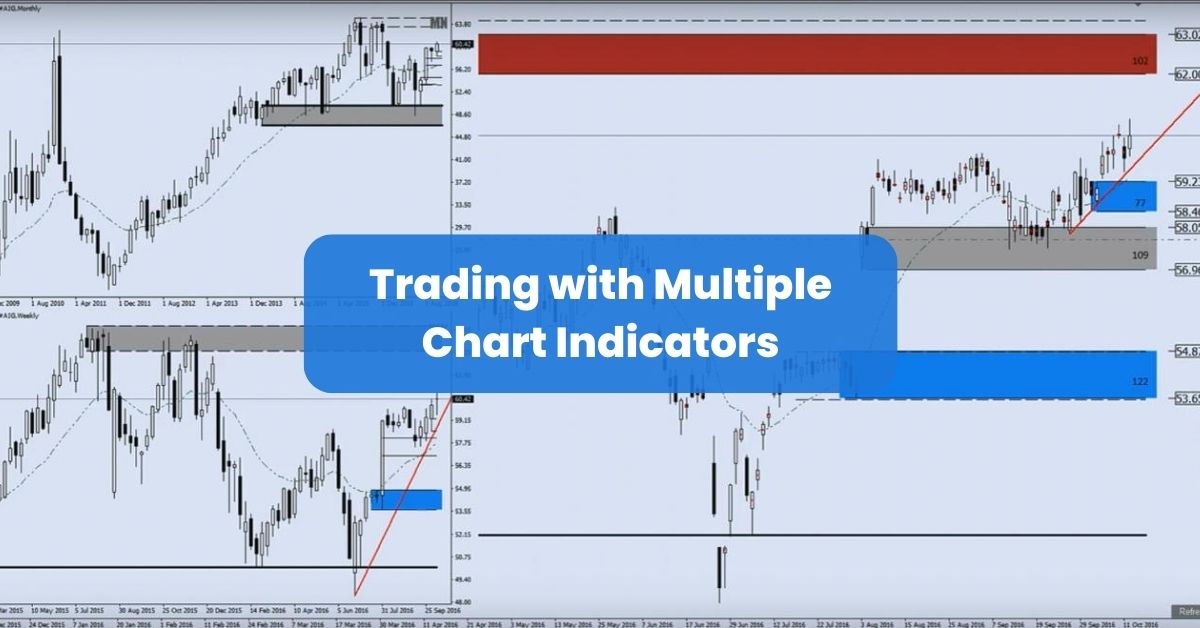
Trading with Multiple Chart Indicators
Forex Summary: Popular Chart Indicators
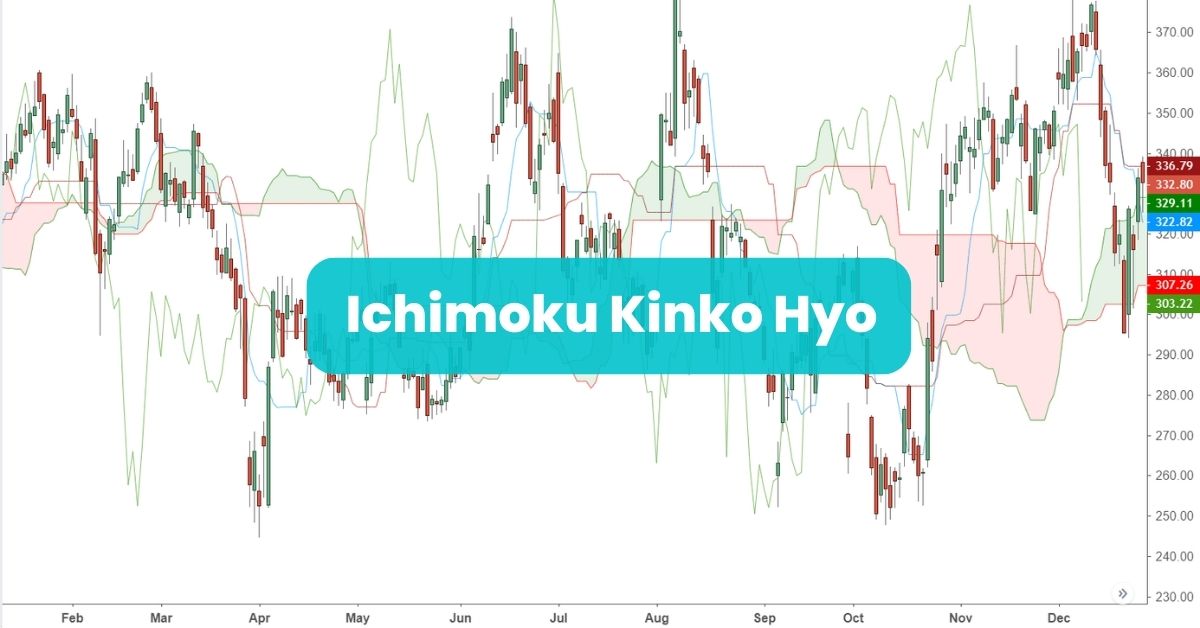
Ichimoku Kinko Hyo
What is the Best Technical Indicator in Forex?
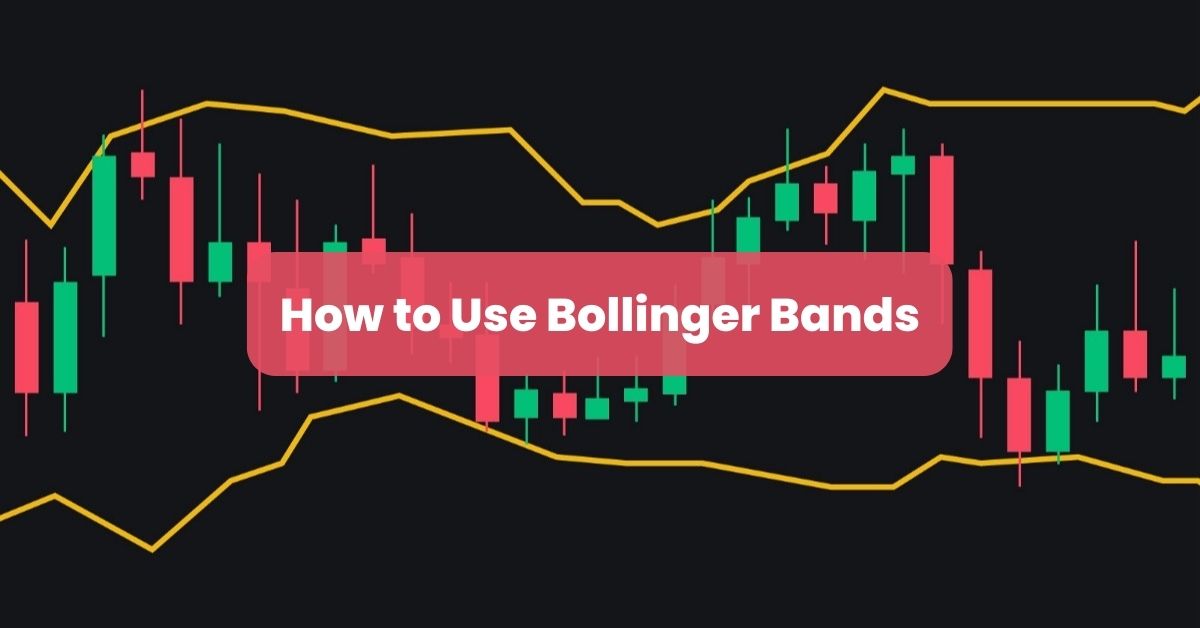
How to Use Bollinger Bands
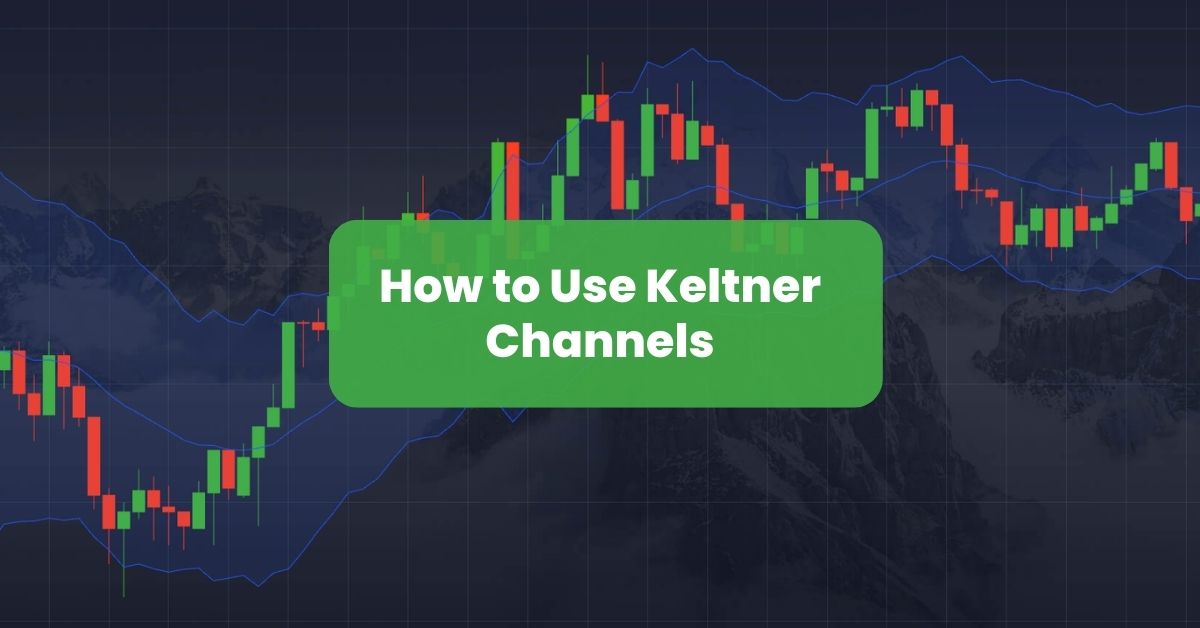
How to Use Keltner Channels
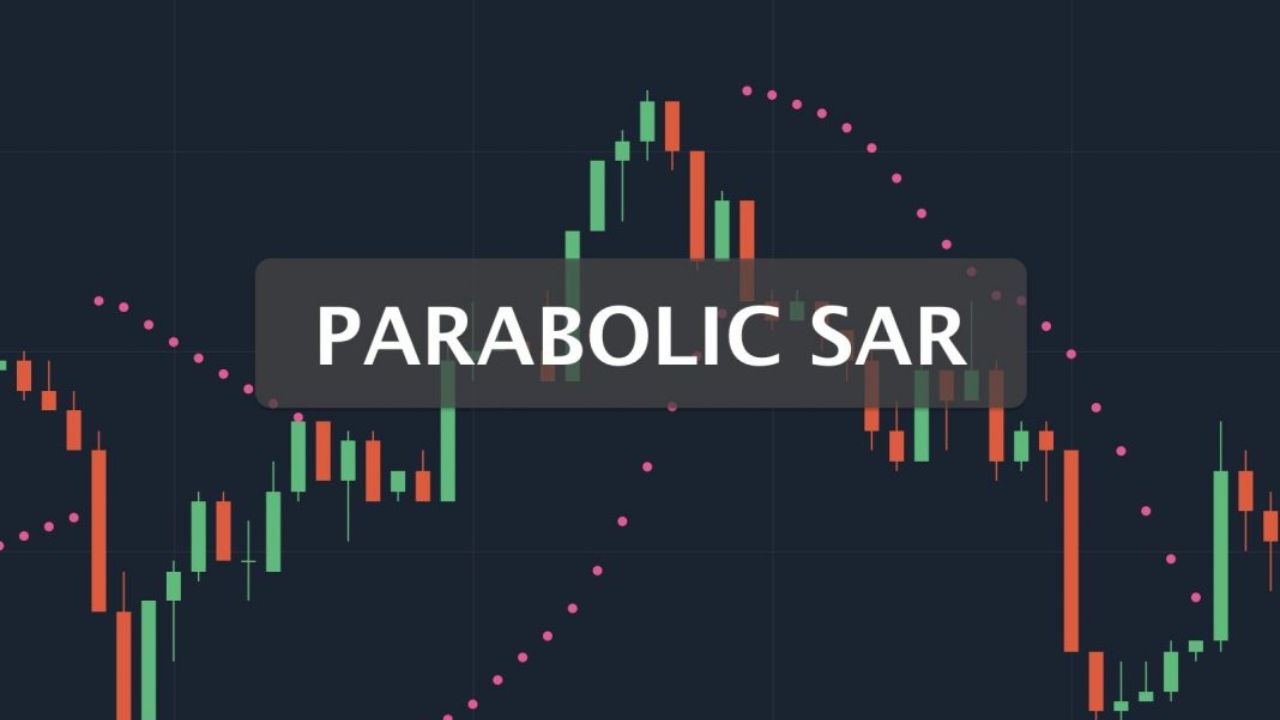
How to Use Parabolic SAR
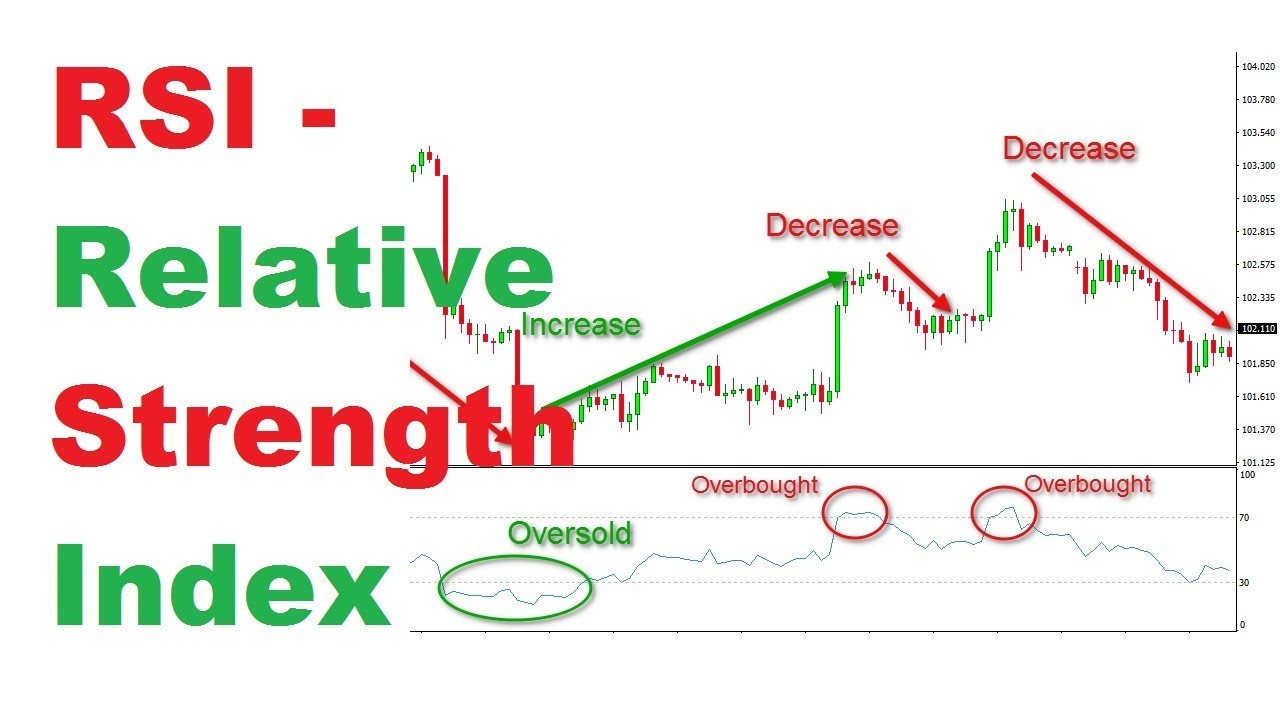
How to Use RSI (Relative Strength Index)
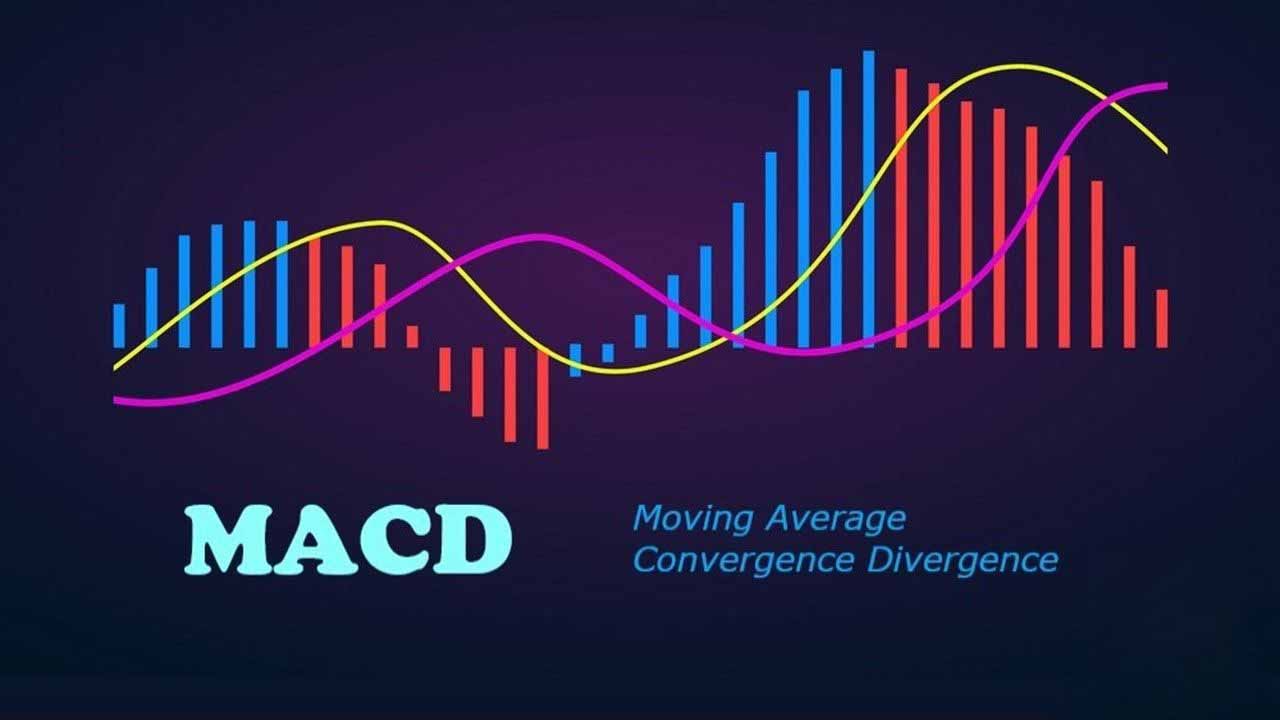
How to Use the MACD Indicator
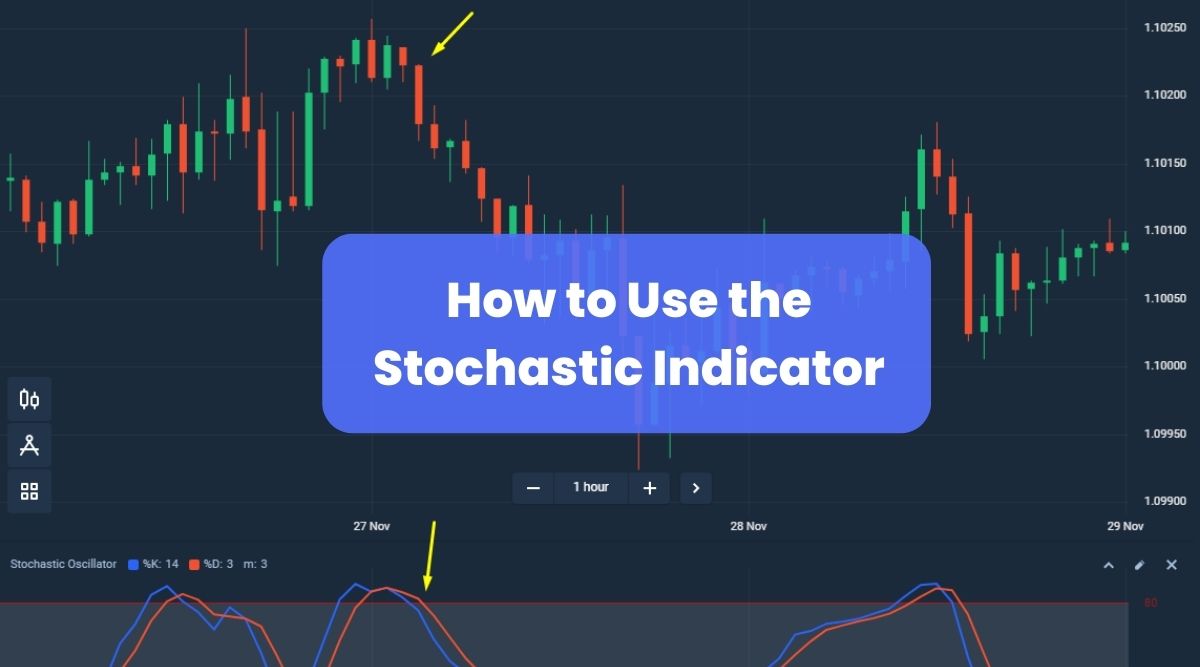
How to Use the Stochastic Indicator
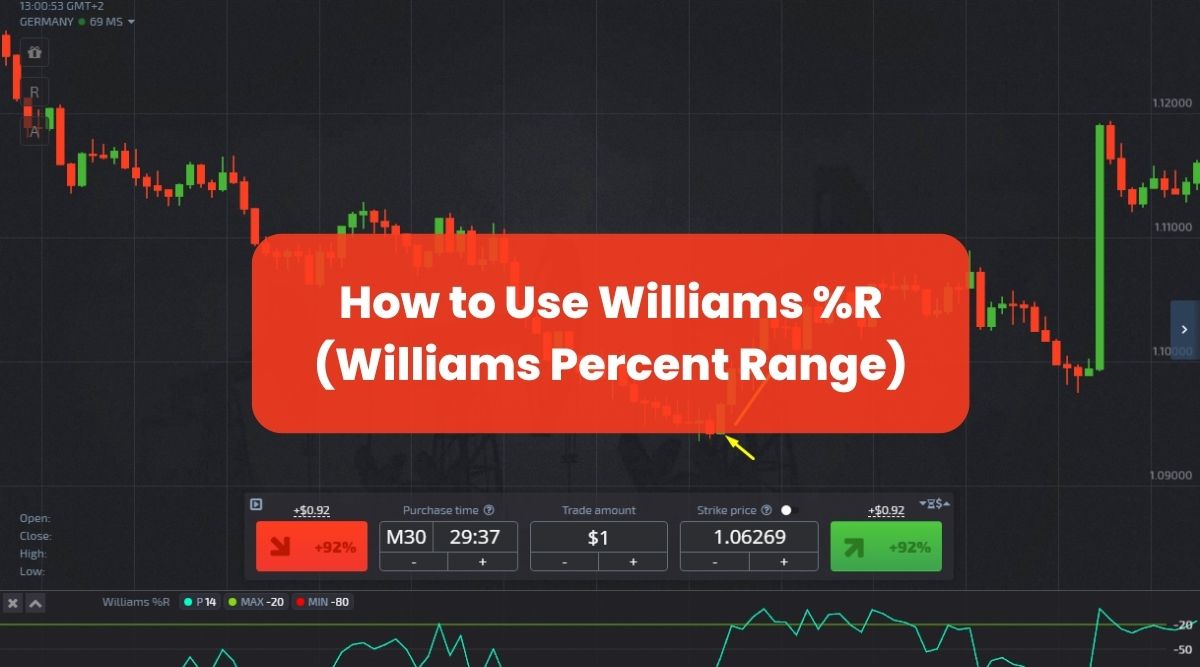
How to Use Williams %R (Williams Percent Range)
How to Analyze Trends With Moving Average Ribbons
How to Trend Trade with Guppy Multiple Moving Average (GMMA)
How to Use Moving Average Envelopes
How to Use Moving Averages as Dynamic Support and Resistance Levels
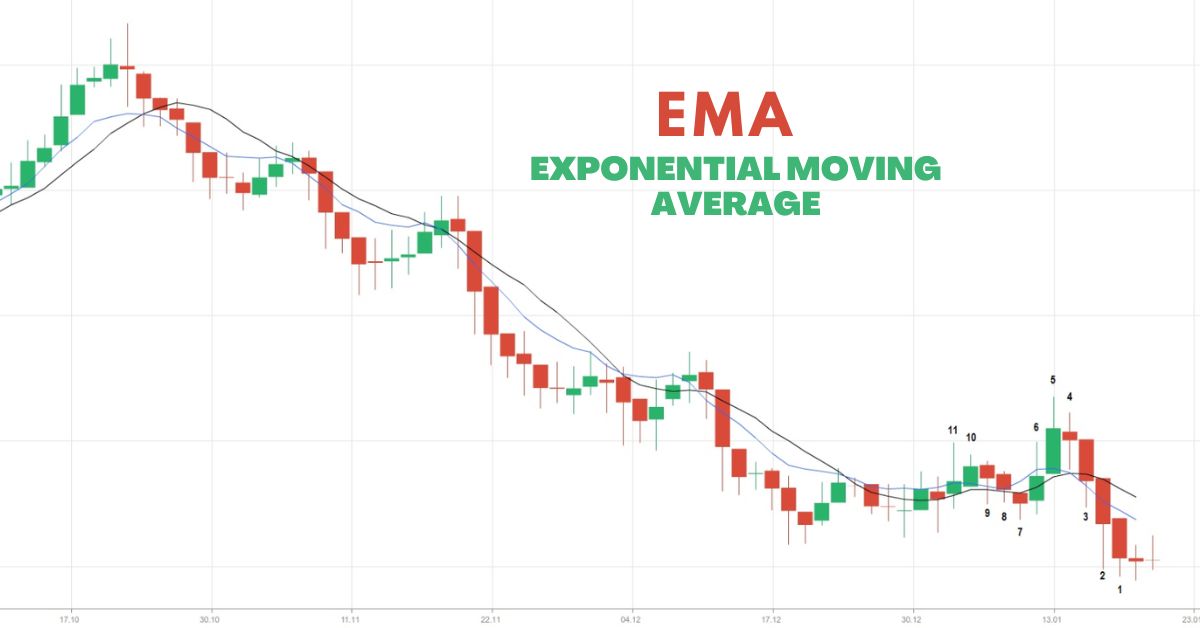
Exponential Moving Average (EMA) Explained
How to Use Moving Average Crossovers to Enter Trades
How to Use Moving Averages to Find the Trend
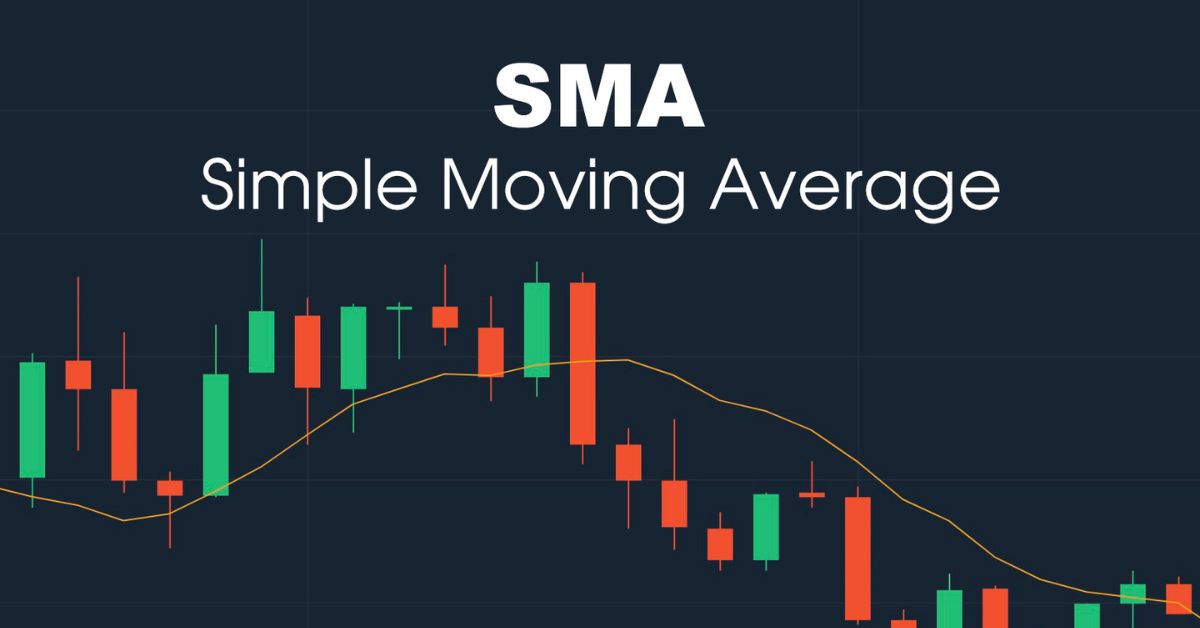
Simple Moving Average (SMA) Explained
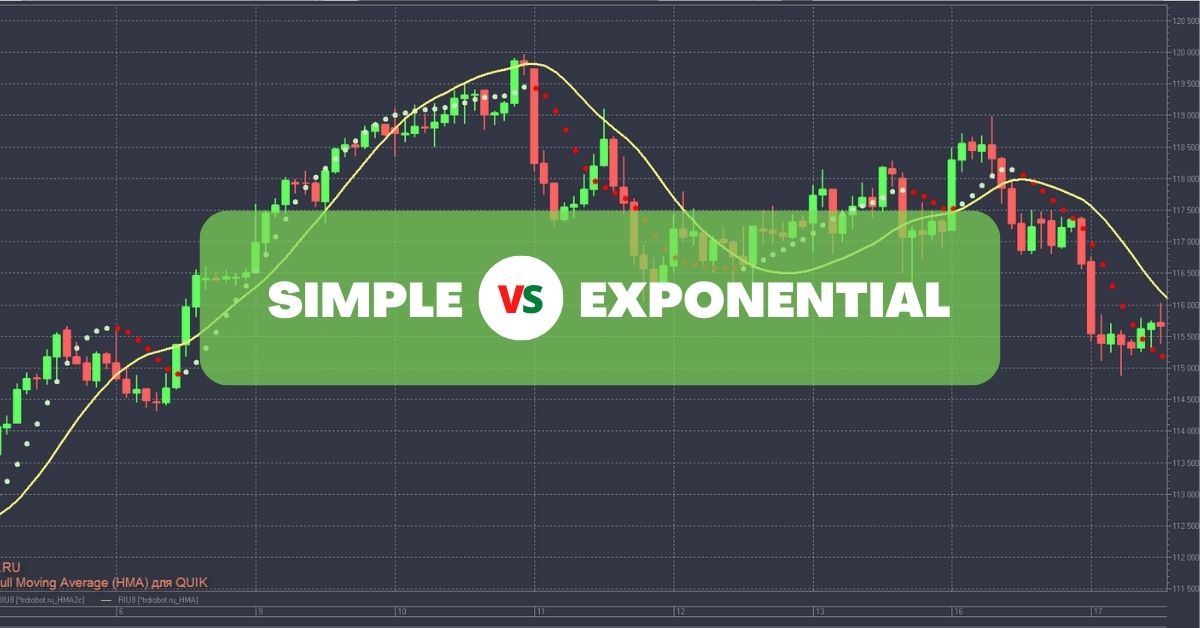
Simple vs. Exponential Moving Averages
What Are Moving Averages?
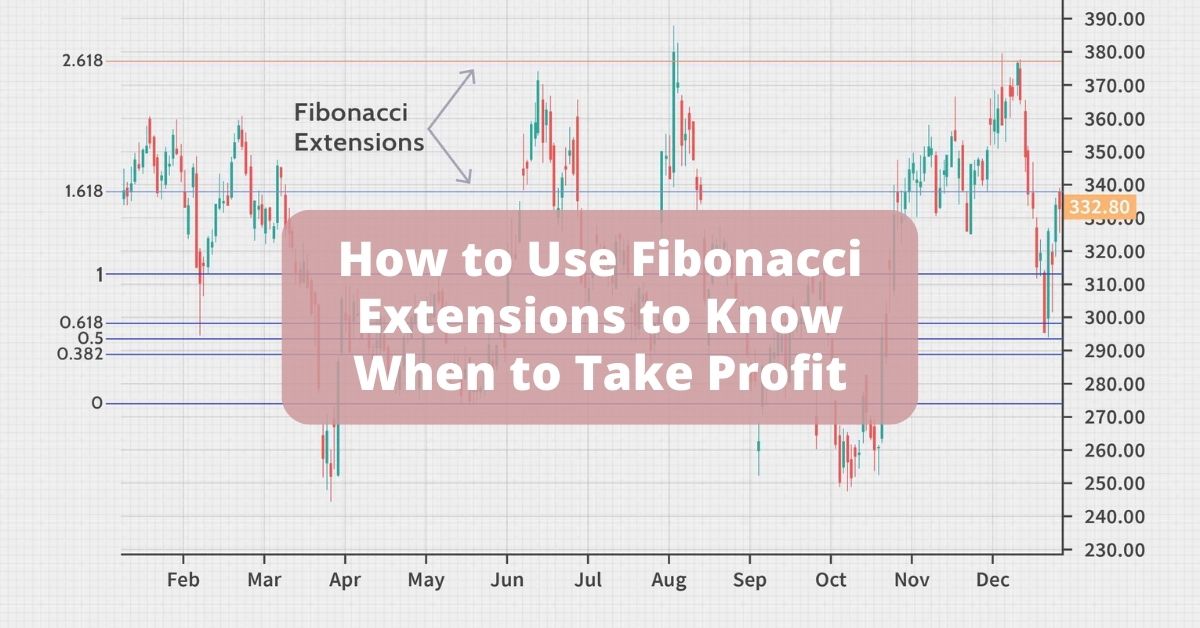
How to Use Fibonacci Extensions to Know When to Take Profit
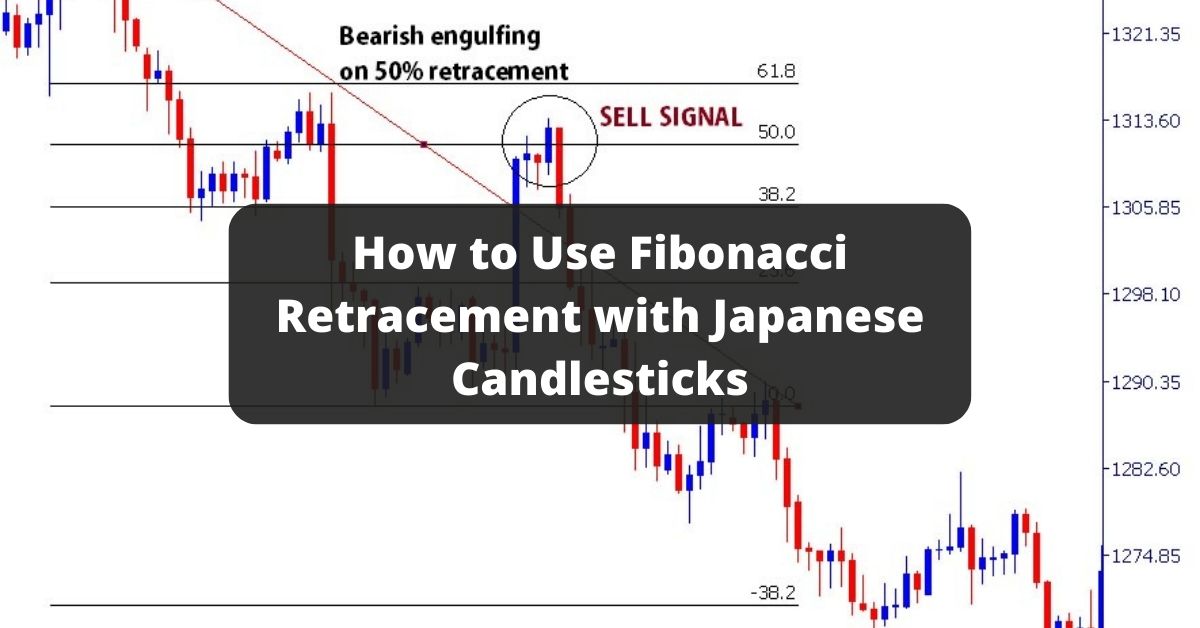
How to Use Fibonacci Retracement with Japanese Candlesticks
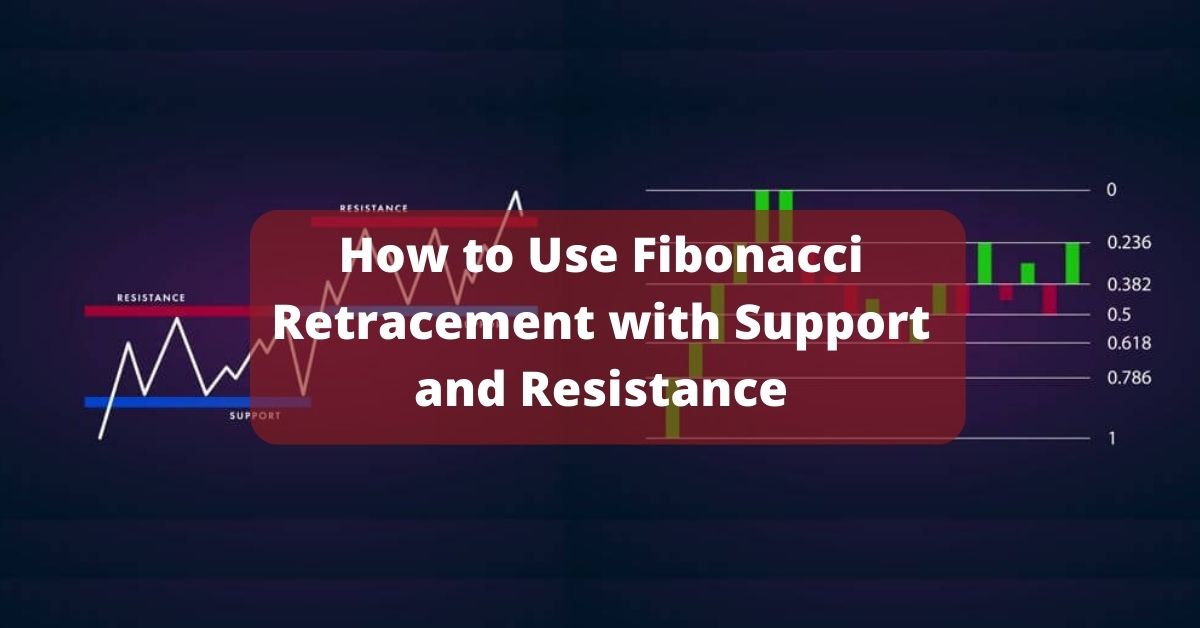
How to Use Fibonacci Retracement with Support and Resistance
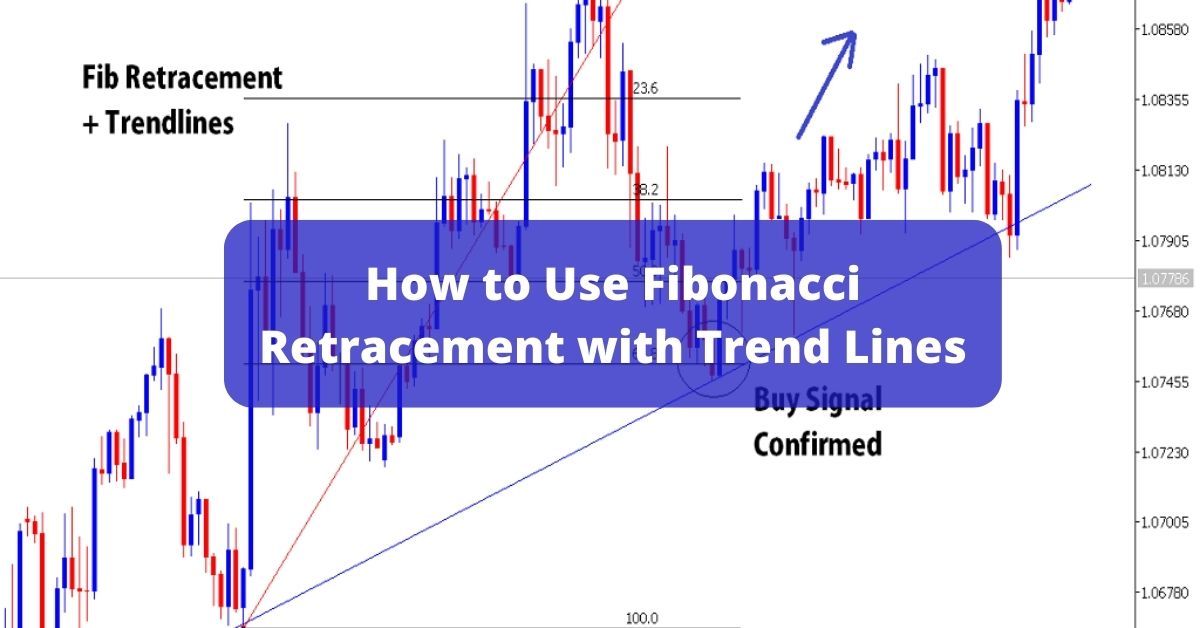
How to Use Fibonacci Retracement with Trend Lines
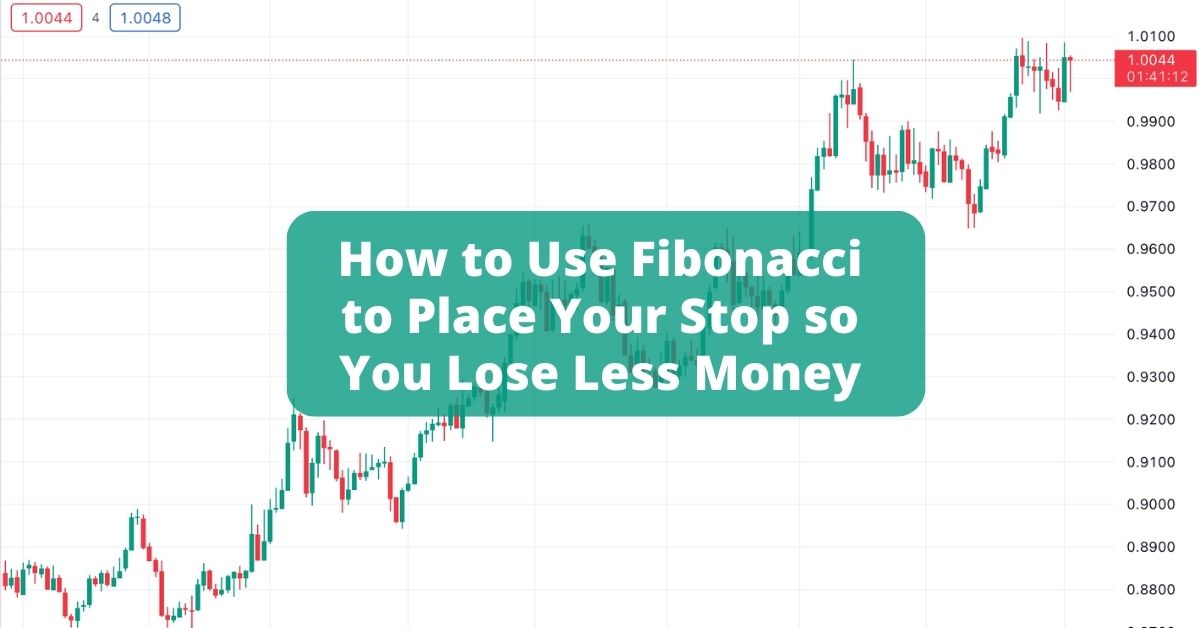
How to Use Fibonacci to Place Your Stop so You Lose Less Money
Fibonacci Retracements are NOT Foolproof
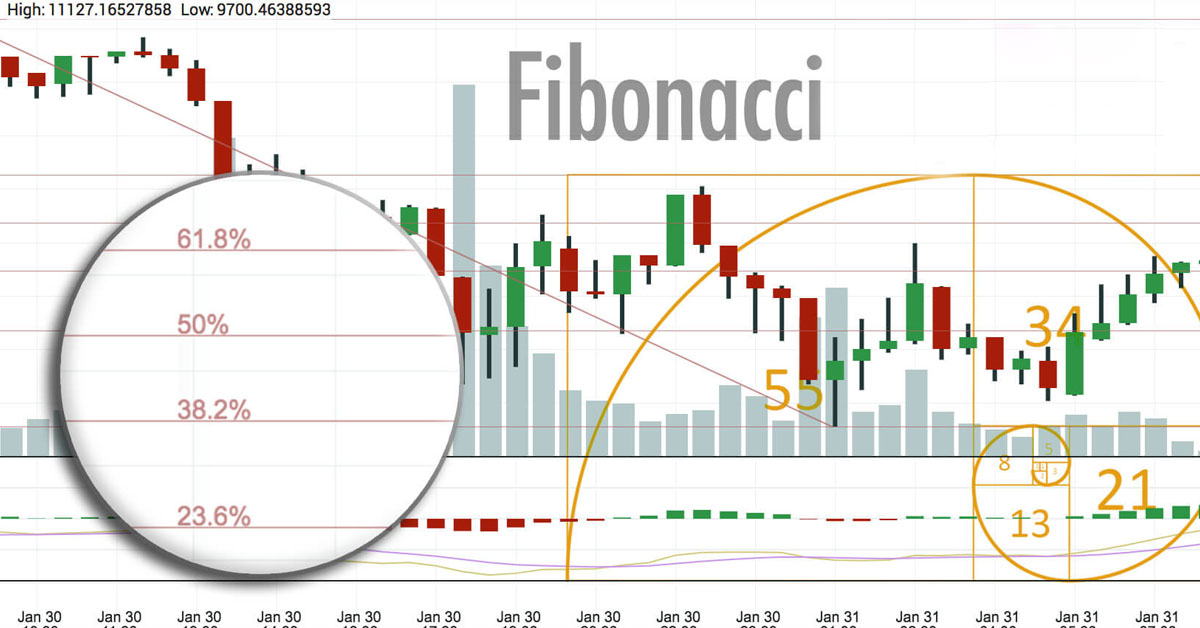
Fibonacci Trading
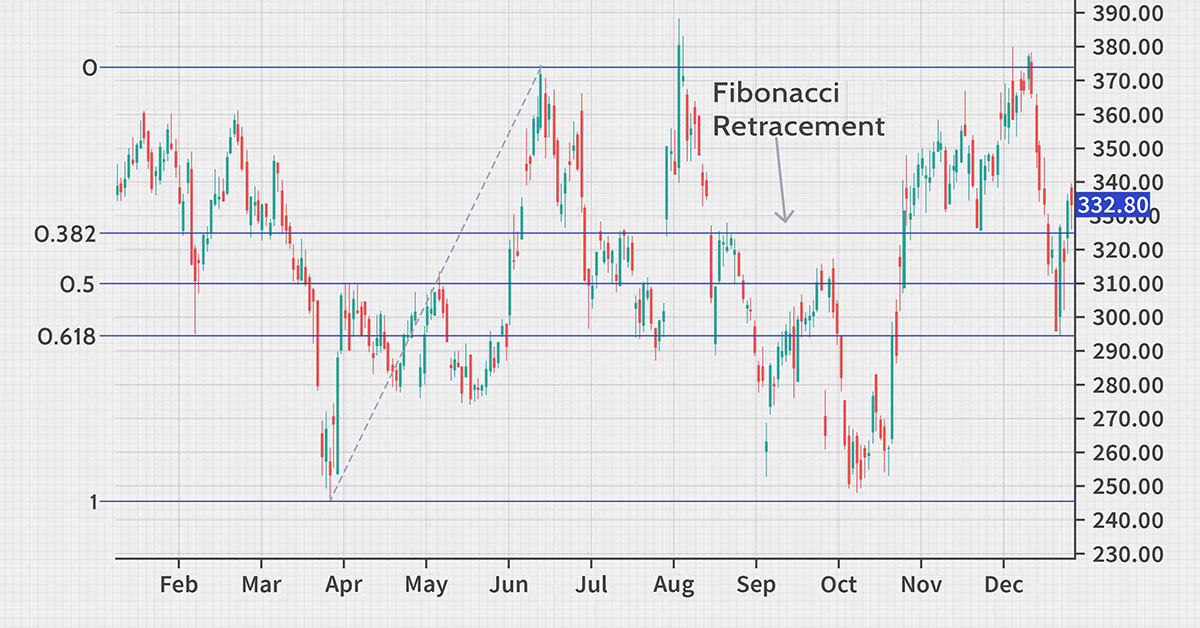
How to Use Fibonacci Retracements
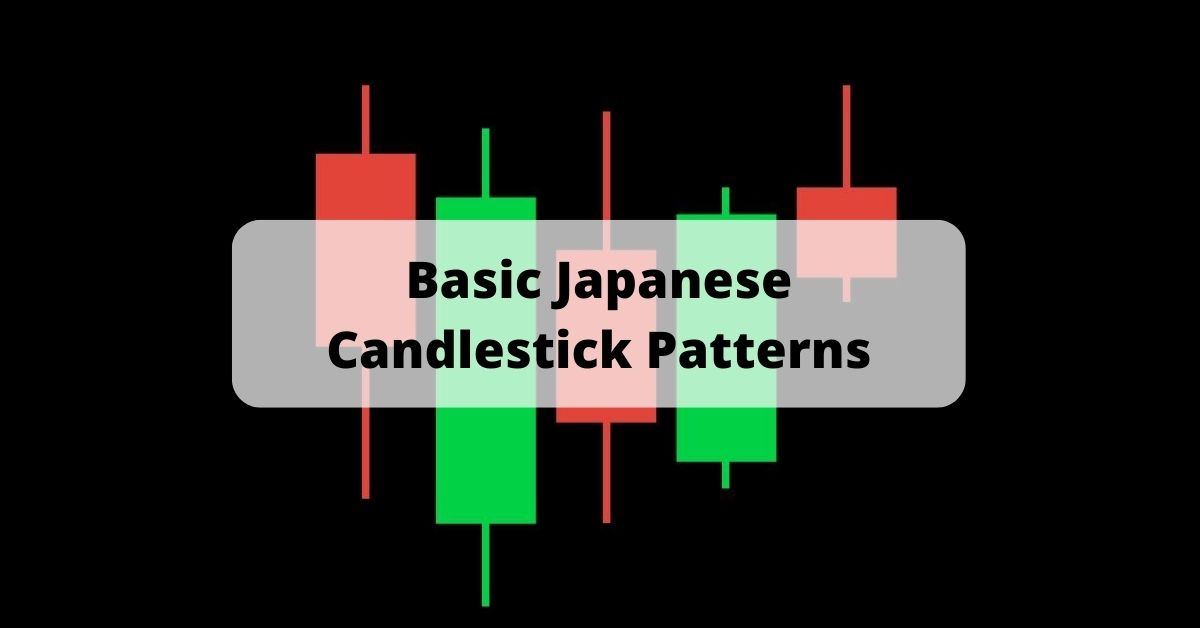
Basic Japanese Candlestick Patterns
Candlestick with Support and Resistance

Common Mistakes That New Traders Make With Japanese Candlesticks
Dual Candlestick Patterns
Single Candlestick Patterns
Triple Candlestick Patterns
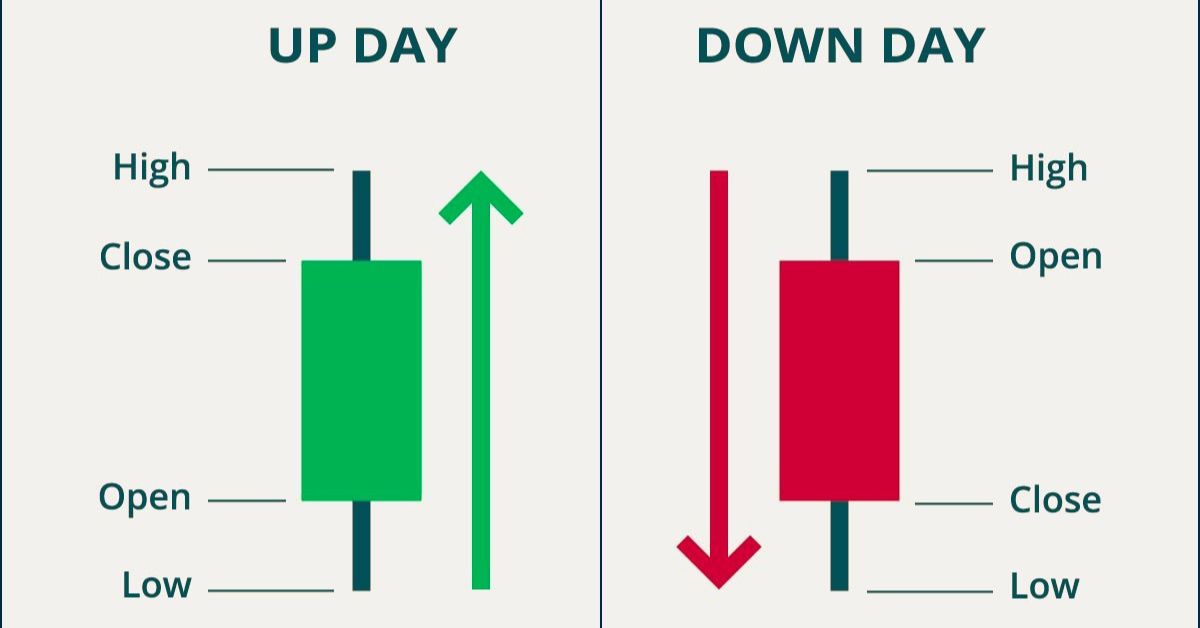
The Japanese Candlestick Anatomy
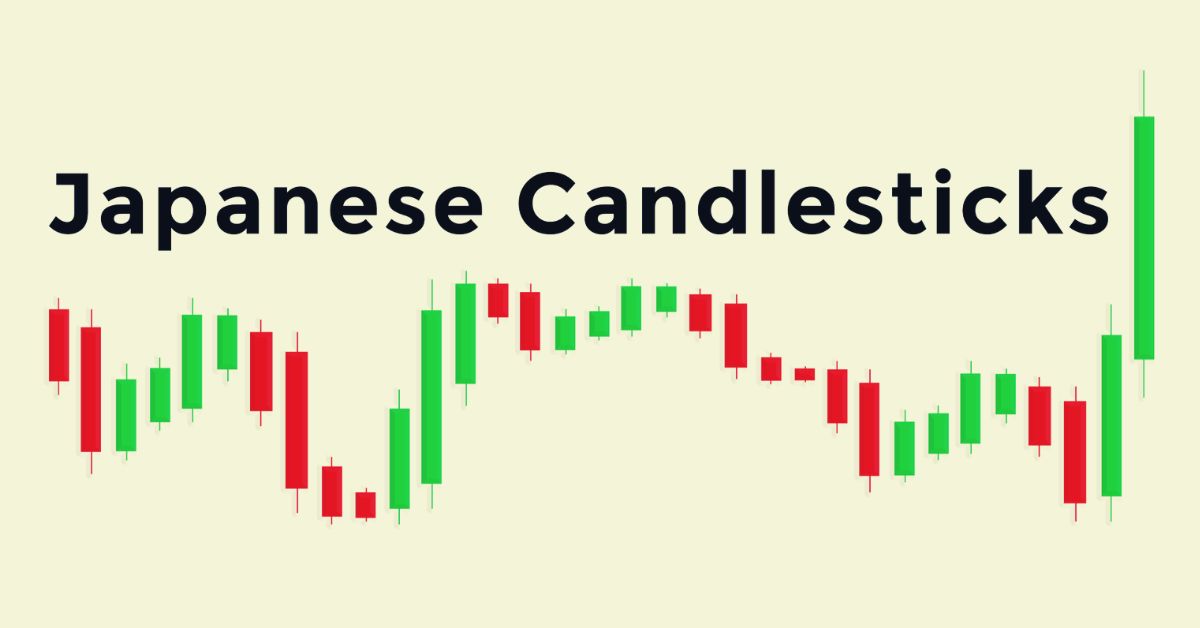
What is a Japanese Candlestick?
3 Types of Forex Charts and How to Read Them
How to Trade Support and Resistance
What are and How to Use Trend Channels?
What are Trend Lines?
What is Fundamental Analysis?
What is Sentiment Analysis?
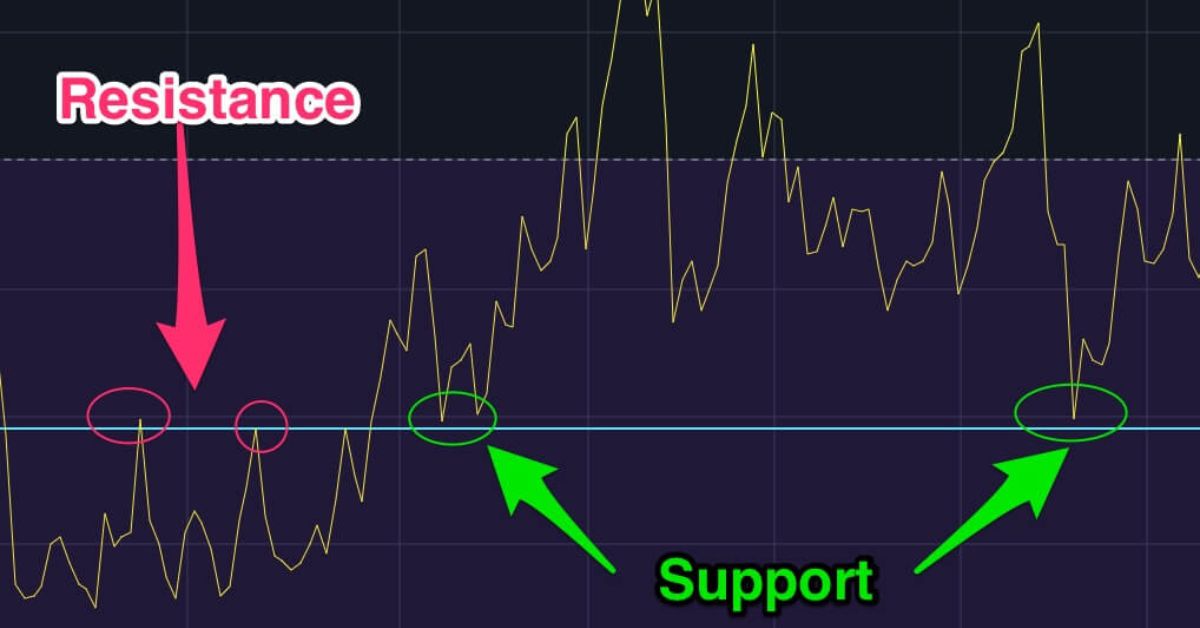
What is Support and Resistance?
What is Technical Analysis?

Which Type of Analysis for Forex Trading is Best?
3 Types of Forex Market Analysis
How Forex Brokers Manage Their Risk and Make Money
Trading Forex with CFDs
What are you actually Trading in Forex?
Where Are Retail Forex Traders Actually Trading?

How to Choose a Forex Broker

Is The Forex Broker a Legit Company?
Is the Forex Broker Licensed and Regulated?
How to Avoid a Margin Call
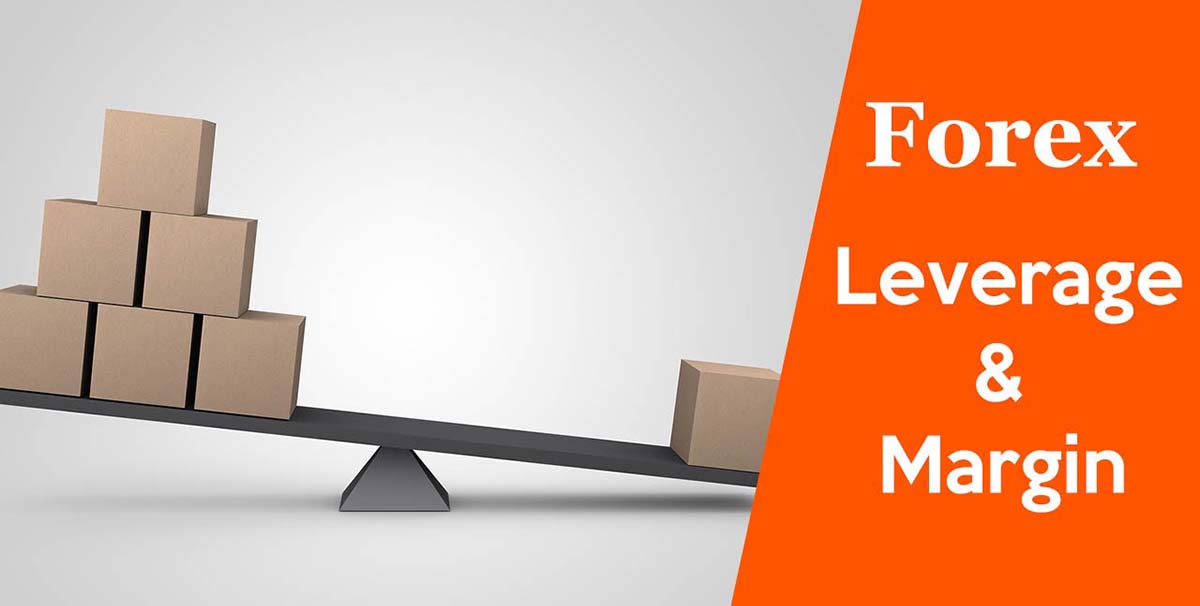
The Relationship Between Margin and Leverage
Trading Scenario: What Happens if You Trade with just $100?

Warning: Different Forex Brokers Have Different Margin Call and Stop Out Levels
What is a Margin Call?

What is a Stop Out Level?
What is Equity?
What is Free Margin?
What is Margin Level?
What is Account Balance?

What is Margin?
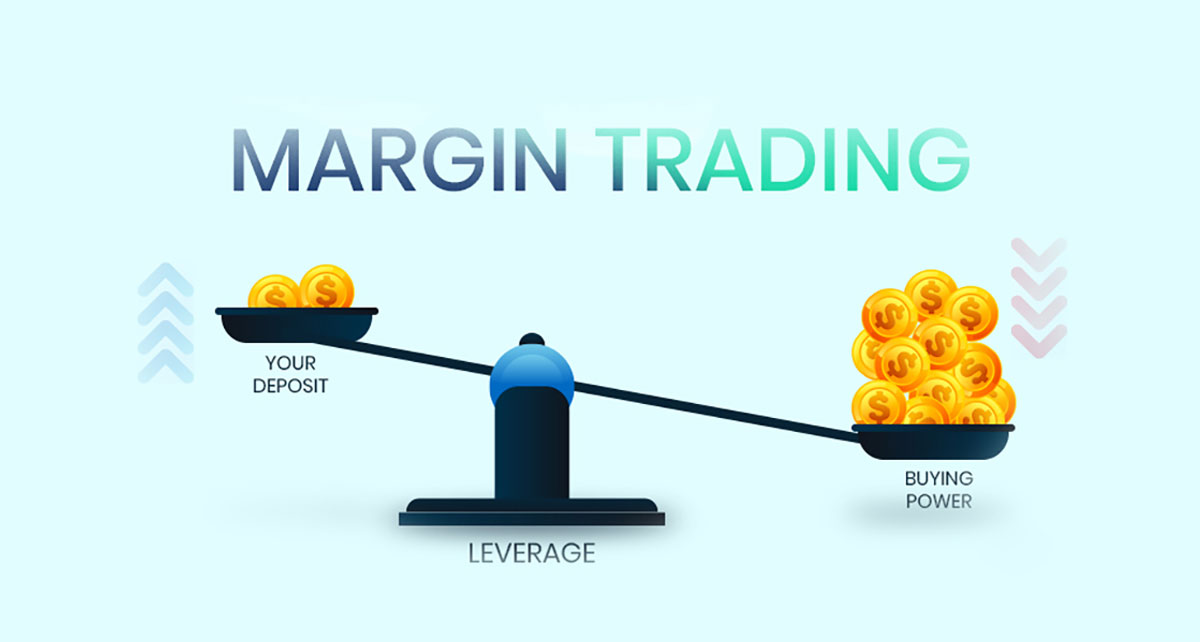
What is Margin Trading?

What is the difference between Unrealized P/L and Floating P/L?

What is Used Margin?
Why Trade Forex: Forex VS Futures
Why Trade Forex: Forex vs Stocks

Best Days of The Week to Trade Forex

Can You Get Rich by Trading Forex?

Forex Market Players
Forex Market Structure
Forex Trading Sessions
The Best Times to Trade Forex

The Forex History

When Can You Trade Forex: London Session

When Can You Trade Forex: New York Session

When Can You Trade Forex: Tokyo Session
Why Trade Forex: The Benefits of Forex Trading
Types of Forex Orders

What is a Lot in Forex?
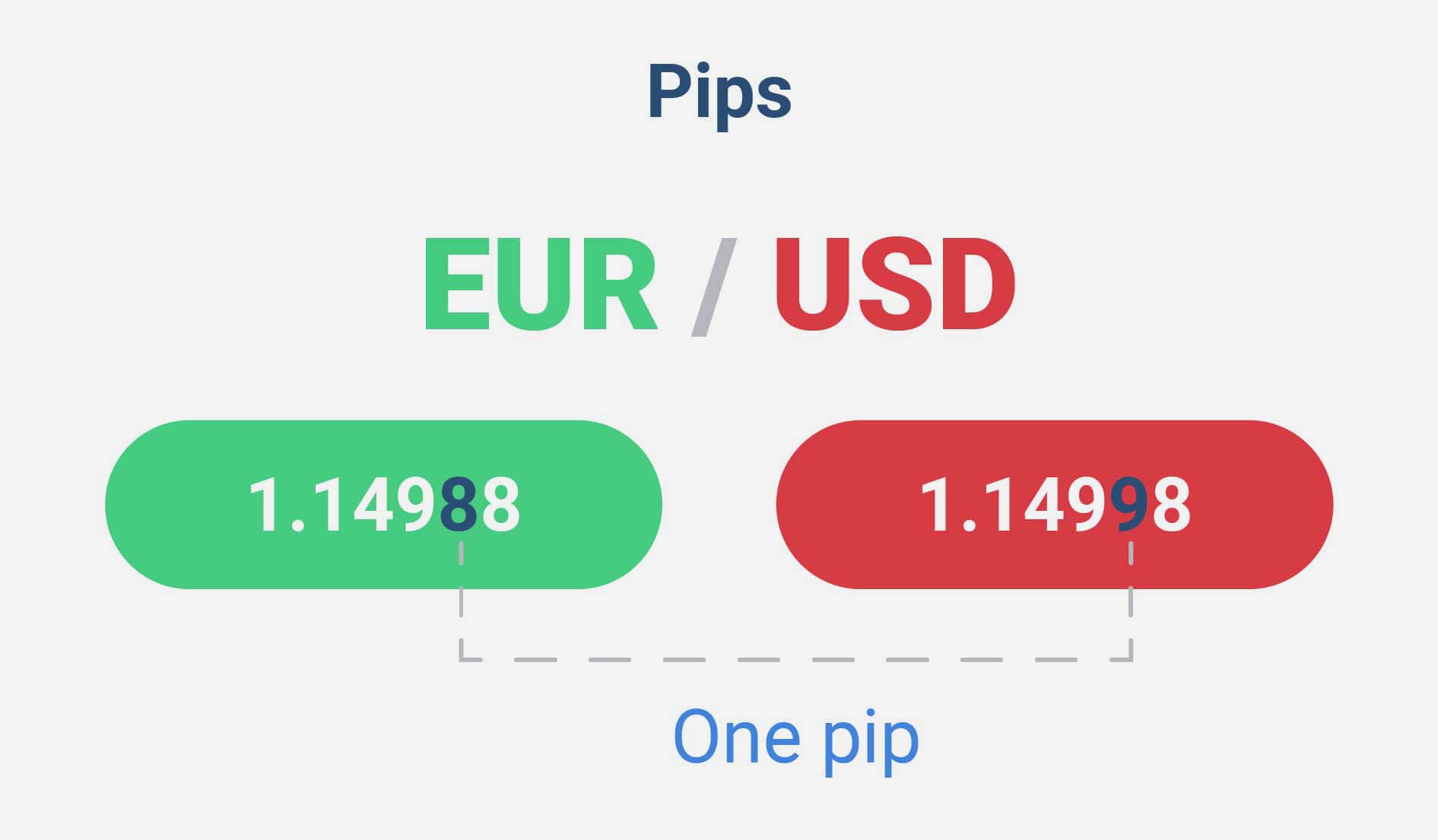
What is a Pip in Forex?
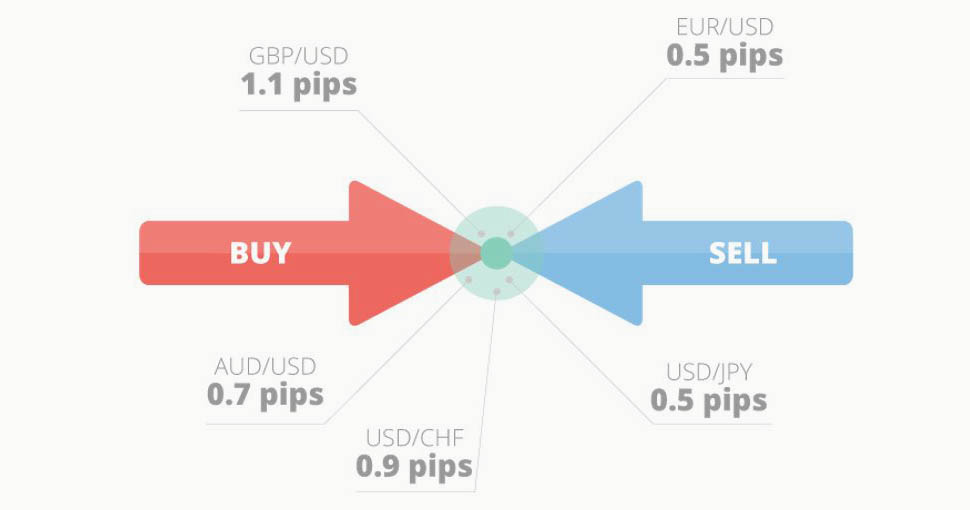
What is a Spread in Forex Trading?
When Should You Buy or Sell a Currency Pair?
Buying and Selling Currency Pair
How to Trade Forex
Forex Market Size and Liquidity
How to Make Money Trading Forex

What is Traded On Forex?